


Latest news

Alternative lenders face challenges in scaling their systems and processes to handle growth without increasing overhead. Jorge Sun, CEO of LendingFront, outlines three steps: examine opportunities in the small-business segment, commit to digital transformation, and choose a digital solution with multiplatform access, SMB-specific credit criteria, automation, and flexible product structure. By following these steps, lenders can meet demand and compete with digital-first players.

In this opinion piece, Charlie Knadler, president and CEO of EnerBank USA, challenges the traditional regulatory view of brokered deposits as risky. He notes that banking is increasingly online, making core deposits less sticky. Brokered CD deposits, with precise maturity dates, are actually stable and predictable, reducing liquidity risk. Knadler calls for removing the stigma associated with brokered deposits, which he argues would make the banking industry safer and more successful.

Challenger banks have grown rapidly by filling unmet needs, but their reliance on interchange fees and venture capital raises questions about sustainability in 2021. Some have already shut down, and analysts expect inflated valuations to correct. To survive, challengers are expanding product offerings, testing subscription models, and targeting niche segments such as immigrants and the LGBTQ+ community.

Challenger banks achieved growth in both users and funding in 2020, but their business models rely on interchange fees, facing risks of valuation corrections in 2021. Industry experts predict that product diversification, subscription models, and niche markets will become new directions.

In 2021, banking trends rooted in 2020 will evolve: crypto faces a pivotal year as regulators and institutions weigh in; banks pursue niche acquisitions and sell-offs; ESG efforts shift from climate to racial equality with a focus on accountability; and digital acceleration continues as banks invest in fintech to stay competitive.

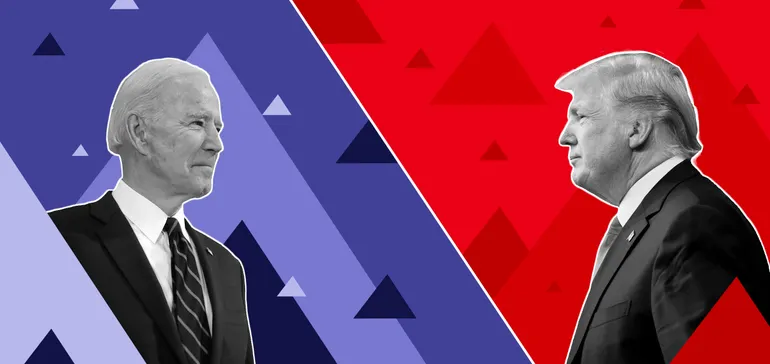
With the presidential election looming, financial policy has been largely absent from the debate stage. However, the divergent stances of former Vice President Joe Biden and President Donald Trump on key issues could shape the banking industry over the next four years. Banking Dive spoke with academics, consultants, and legal experts to analyze the potential changes. A Biden administration would likely raise the corporate tax rate to 28%, potentially costing the 10 largest banks $7 billion annually, while a second Trump term would preserve the 2017 tax cuts. Postal banking, which Democrats have revived, is seen as more likely under Biden, though experts suggest it may be folded into broader postal reform. The Consumer Financial Protection Bureau (CFPB), which has eased enforcement under Trump, would likely become more aggressive under Biden, with a new director possible. Cannabis banking legislation, such as the SAFE Banking Act, could gain traction under Biden but is unlikely under Trump. Cabinet appointments also loom: Biden may tap Sen. Elizabeth Warren for Treasury, while Fed Chairman Jerome Powell might stay. The OCC's Brian Brooks could be replaced, but FDIC Chairman Jelena McWilliams may remain. Overall, the election's outcome will have profound implications for banking regulation and policy.
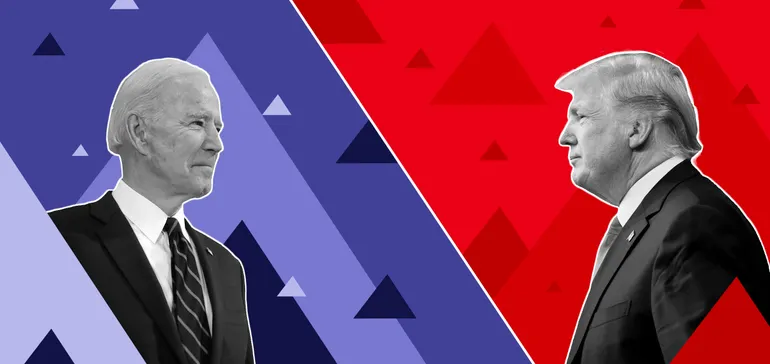
As the 2020 presidential election approaches, financial policy has not become a focal point of debate, but the tax positions, regulatory attitudes, and personnel arrangements of the two party candidates will profoundly impact the banking industry. This article synthesizes expert opinions to analyze possible changes in the banking industry under Biden's or Trump's administration.

Credit unions have resumed acquiring community banks, with Crane Credit Union's recent deals in Indiana highlighting a growing trend. The ICBA argues that tax-exempt credit unions have an unfair advantage, while credit union advocates say the opposition is a membership play. The article explores the reasons behind the deals, including regulatory pressures and technology costs, and examines whether Congress will intervene.

In 2020, the number of credit union acquisitions of community banks increased significantly, with three deals in Indiana alone. Supporters argue this provides a liquidity exit for small banks, while opponents accuse credit unions of abusing their tax-exempt advantages. This article reviews multiple perspectives and the latest developments.