


Retail

At Money20/20, Wells Fargo executive Faraz Shafiq detailed the bank's strategy to fundamentally transform operations with AI, centered on four core components: a hub-and-spoke operating model, prioritizing highest-impact use cases, moving fast with discipline, and upskilling its 197,000 employees. Shafiq highlighted tangible results, including a 40% boost in product sales rates from banker intelligence capabilities and a custom small language model for fraud detection, as the bank aims to differentiate through proprietary data and insights.
Truist is expanding its merchant services capabilities, introducing a faster onboarding experience and new business insights, and offering more tools through Fiserv's Clover POS system and Early Warning Services' Paze digital wallet. Chris Ward, head of enterprise payments, said the enhancements are designed to make the offering more relevant to clients' daily operations and integrate multiple capabilities rather than point solutions. The move supports Truist's strategy to become a more integrated, trusted adviser and to grow payments across consumer and wholesale segments. Truist reported card and treasury management fees rose 2% year over year to $347 million in the third quarter.

Tioga-Franklin Savings Bank failed in August because of the high costs of expanding its mortgage business, according to the FDIC's Office of the Inspector General. The expansion led to weak earnings, which in turn caused liquidity and capital problems. The bank was unable to secure new investors to stabilize its finances. The Pennsylvania Department of Banking and Securities took over the bank and appointed the FDIC as receiver on Aug. 21. The single-branch Philadelphia-based bank had $66,849,160 in total assets, and its failure caused an estimated loss of $5,445,000 to the Deposit Insurance Fund. The FDIC had identified concerns since 2022 and taken actions, with the bank's CAMELS ratings downgraded over time. The OIG did not find other significant contributing conditions.
City National is leveraging its RBC ownership to convey trust and stability as it grows its private wealth management business. The bank has rebranded City National Rochdale to RBC Rochdale and changed 'private banking' to 'private bank' to emphasize a holistic advisory approach. Under Brandon Williams, the private bank has hired about 85 people and promoted 80 in the past 10 months, bringing in talent from competitors. City National, with $100 billion in assets, aims to deepen client relationships and may expand into markets like Charlotte and Nashville, capitalizing on the great wealth transfer.
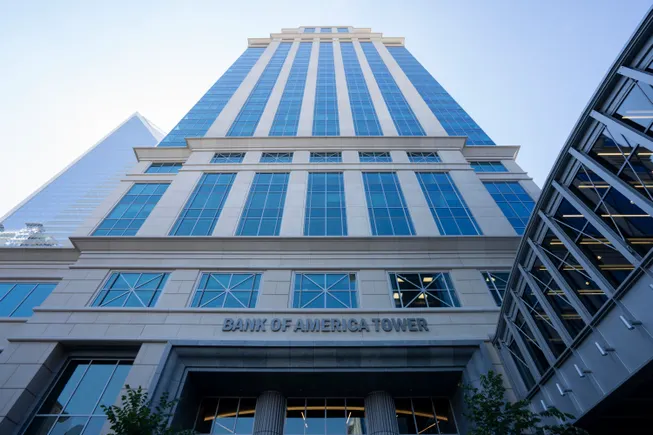
Bank of America opened its first Wisconsin retail branch in Madison on Wednesday and a second in Milwaukee on Thursday, with plans to open 17 more branches statewide through 2030, a spokesperson said. The 19 new branches will create roughly 130 jobs, in addition to the 170 people already employed in Wisconsin within the bank's Merrill Lynch, business banking and global corporate banking arms. The openings are part of Bank of America's $5 billion branch expansion plan that began in 2016. The bank will also enter Louisiana and Alabama next year, with 10 branches slated for the Birmingham and Huntsville, Alabama, areas starting in early 2027, and eight in the greater New Orleans area starting in the second half of the year. Competitors JPMorgan Chase, PNC, TD and others are also expanding their physical footprints, and banks opened more branches than they closed for three recent consecutive quarters for the first time since 2009, according to the National Community Reinvestment Coalition. More than 95% of Bank of America client transactions are completed on the bank's app, but clients visit branches for more complex financial needs, with around 10 million appointments made this year. Bank of America has renovated about 400 existing locations in 2026 and will renovate 300 more in the coming months. There are 75,859 total bank branches nationally, according to the Federal Deposit Insurance Corp.

U.S. Bank's chief risk officer Jodi Richard is departing to become chief risk officer at American Express and its national bank, effective Jan. 25, 2027. Troy Remington, U.S. Bank's chief credit officer, will serve as interim risk chief. Richard's move comes as Amex faces a $350 million civil money penalty and enforcement actions from the Federal Reserve and OCC over anti-money laundering compliance failures. Amex CEO Stephen Squeri cited Richard's regulatory and business experience. Current Amex risk chief Doug Tabish will become president of enterprise shared services in February after Denise Pickett retires.
Bluefield, Virginia-based First Community Bankshares announced Wednesday it will acquire Main Street Financial Services Corp. in a roughly $243 million deal, set to close in Q2 2027. The transaction adds $1.6 billion in assets, $1.4 billion in deposits, $1.3 billion in loans, and 21 branches—17 in Ohio, a new market for First Community. Wooster, Ohio-based Main Street reported a 43% year-over-year profit jump in Q3. Main Street CEO Mark Witmer will become president of First Community's Ohio region, and one Main Street director will join First Community's boards. The combined company is expected to report about $5.2 billion in assets before adjustments.
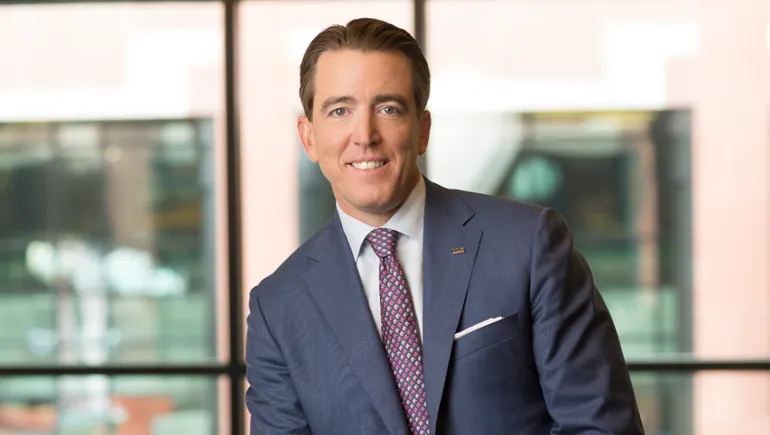
Kansas City, Missouri-based UMB Financial Corp. has agreed to acquire Placerville, California-based El Dorado Savings Bank in a cash-and-stock deal valued at $506 million. The transaction will add approximately $2.4 billion in assets, $2.1 billion in deposits, $500 million in loans, and 35 branches across California and Nevada, growing UMB's branch network to 227 locations in 15 states. The deal, UMB's first since its $2 billion purchase of Heartland Financial was approved in January 2025, is expected to close in the first quarter of 2027. El Dorado CEO David O. Cook will become vice chair of UMB Bank California. UMB CEO Mariner Kemper said the acquisition significantly expands the bank's retail footprint in California and enters Nevada, with potential upside from wealth migration to Nevada. The deal is expected to be modestly accretive to 2027 earnings.
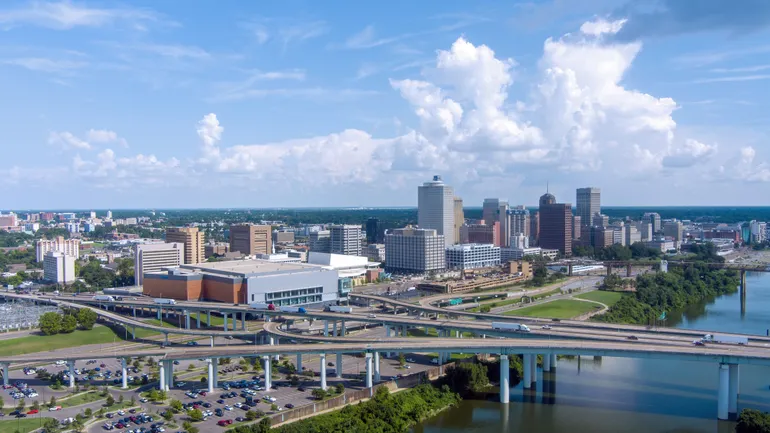
Tupelo, Mississippi-based Renasant Corp. has agreed to acquire Paris, Tennessee-based Commercial Bank & Trust Co. in a $142 million deal expected to close in the first quarter of 2027. The acquisition will add nine branches in western Tennessee, including two in Memphis, and provide access to a trust and wealth management business with $1.2 billion in assets under management. Commercial brings a common equity tier 1 ratio of 19.6%. The deal will push Renasant's total assets to $28.6 billion, with $20.4 billion in loans and $22.6 billion in deposits. Renasant's Tennessee footprint will expand to 28 locations and about $2.6 billion in deposits, ranking in the top 10 in the state among banks with less than $100 billion in assets. Commercial CEO Mott Ford will join Renasant in a market executive role after closing. Commercial shareholders will receive 0.8798 shares of Renasant common stock per share, based on Renasant's 10-day average closing price of $40.29. The deal marks Renasant's first acquisition since buying The First Bancshares for about $1.2 billion in 2025.
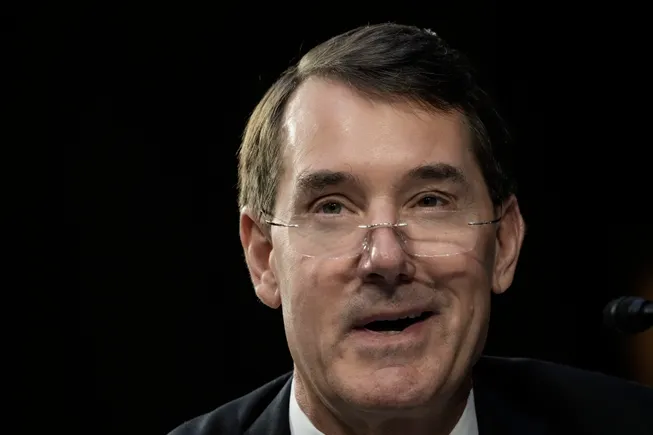
PNC CEO Bill Demchak predicts that banks lacking their own compute infrastructure will fall behind in AI, leading to increased M&A, particularly among small banks. He emphasizes PNC's focus on building its own AI capabilities, which will cost hundreds of millions to save billions annually, and warns that a large acquisition could delay AI progress. Demchak also discusses the human impact, including retraining and reduced offshore contractors, and PNC's approach to building versus buying AI technology.