


Opinion
In this article, Ralph Dangelmaier, CEO of BlueSnap, distills four key themes from the fall conference season that can guide payments success in 2020. Merchants must treat payment capabilities as an evolving product, offer multiple currencies and methods; address cross-border friction as 63% of U.S. retailers have international customers and 42% of U.S. customers shop overseas; leverage intelligent payment routing to reduce interchange fees; and stay informed or partner to keep pace with innovation. These insights aim to help merchants, businesses and ISVs stay competitive globally.
Based on discussions and panel sessions during the fall conference season, this article highlights four key points in the payment industry: merchants need to keep up with payment innovation, cross-border payment friction can hinder growth, choosing the right payment processing path can save costs, and staying informed maintains competitiveness. These recommendations aim to help all parties in the payment ecosystem succeed in 2020.

In this guest post, Hope Dmuchowski, CFO and senior executive vice president at First Horizon, reflects on her career journey and shares six key lessons: seek mentorship to learn and lead; choose your attitude; be the most prepared person in the room; embrace challenges as pathways to growth; don't underestimate the power of kindness; and never stop learning. She illustrates these lessons with personal anecdotes, including how her team responded when the TD Bank deal fell through unexpectedly.

The SAFER Banking Act may not solve the problem of tens of billions in unsecured cannabis cash held outside the U.S. banking system. The legislation and forthcoming regulations largely ignore how small retailers' cash hoards will be repatriated. Third-party compliance certification, similar to the Joint Commission's role in healthcare, could provide verification of the source and ownership of legacy cash transactions, helping retailers and banks comply with anti-money laundering laws. Private security firms with forensic accounting expertise could be enlisted, pending Treasury guidance and qualification. This approach addresses the immediate security risks and creates a mechanism to bring stranded assets into the economy.
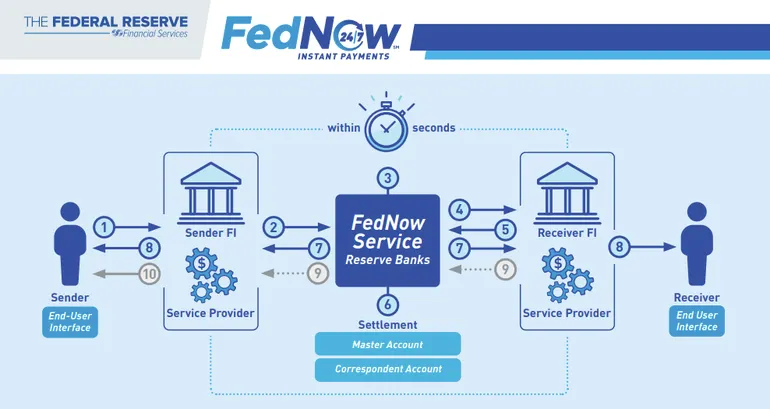
In this opinion piece, Rina Wulfing of Wise warns that the Federal Reserve's FedNow instant payments system, launching next summer, risks falling short by excluding nonbanks and cross-border payments. She highlights the importance of cross-border payments for remittances and global business, and criticizes the Fed's reluctance to grant nonbank access. Wulfing calls for the Fed to evolve past outdated rules and include diverse providers to ensure FedNow's success and address consumer needs.

In this article, Dimitri Dadiomov, CEO of Modern Treasury, discusses the evolving relationship between banks and fintechs. While fintechs were once seen as threats, they are now partnering with banks to deliver innovative financial services. The article highlights examples of partnerships, the rise of software-integrated payments, and the complementary strengths of banks and fintechs. It concludes that collaboration benefits customers and creates new opportunities for growth.

In this article, Fabrizio Burlando argues that the distinction between banking and finance is increasingly blurred. He examines three trends: CBDCs redefining bank accounts, open finance extending beyond open banking, and BNPL providers encroaching on banking territory. These developments show banking evolving through its interaction with financial services, with relationships replacing overlaps.

In this opinion piece, Richard Hunt criticizes the CFPB's use of 'regulation by enforcement,' which bypasses formal rulemaking and creates uncertainty for banks and consumers. He cites the PHH Corp. case as an example of the approach's failure and calls on new Director Rohit Chopra to commit to transparent rulemaking under the Administrative Procedures Act, ensuring durable and understandable rules.

Survey data shows nearly one-third of small businesses changed financial service providers in 2021, citing convenience as the top reason. Finance super apps, which bundle multiple services into one platform, are emerging to meet this demand. The concept, coined in 2010, has evolved from specialized apps like WeChat and Alibaba into comprehensive ecosystems. While super apps offer time-saving benefits, they also pose risks such as service outages and data portability challenges. As small businesses increasingly seek streamlined digital solutions, financial providers must adapt to stay competitive.

As fintechs capture a growing share of consumer financial activity, traditional financial institutions face pressure to maintain their appeal. While it's natural to view fintechs as adversaries, a defensive stance can lead to missed opportunities. Both parties can gain from symbiotic relationships: fintechs may diversify funding sources, while banks and credit unions can leverage fintech technology to provide enhanced account management and borrowing solutions. The shift to online banking continues, with about one-third of Americans having at least one account with a nonbank provider, rising to 47% among millennials. S&P Global Markets projects digital lenders will originate $62.84 billion in new loans in 2021. Fintechs excel at developing technology efficiently, and traditional institutions can benefit from their origination prowess. Fintechs, in turn, can access capital from institutions with strong balance sheets. Alliant Credit Union collaborates with fintech partners to develop loan programs, using sophisticated screening models to address regulatory concerns and expand into product types like electric vehicles, solar, home equity lines of credit, and personal term loans. Managing risks requires evaluating fintech partnerships through a regulatory and compliance lens, with legal, risk management, and compliance teams involved. Vetting fintechs can be daunting; an interim step might be purchasing a pool of loans from a trusted partner that sourced them with a fintech. Alliant purchased a book of solar loans from a credit union that generated them with a fintech originator, and regularly sells loans sourced from fintechs to other credit unions. Embracing collaboration can open new opportunities to learn and benefit financial consumers.