


Deep Dive
来自我们记者的行业洞察

As prices of digital assets such as Bitcoin and Ethereum surge, the global cryptocurrency market capitalization has exceeded $2.9 trillion this month. Traditional banks, challenger banks, and fintech companies are rolling out cryptocurrency-related services, ranging from Bitcoin rewards to custody operations. Meanwhile, U.S. regulators are preparing new guidelines, and the industry seeks a balance between opportunities and risks.

The global cryptocurrency market cap surpassed $2.9 trillion this month, driven by Bitcoin and Ethereum rallies. Traditional institutions and neobanks are increasingly participating in the space, offering services from Bitcoin rewards to custody, as regulators seek to catch up with guidance. The pandemic accelerated crypto adoption, with stimulus and remote work giving people time to explore alternative assets. Banks like Anchorage Digital, Vast Bank, Blue Ridge Bank, Quontic Bank, and Customers Bank are implementing crypto strategies. Consumer-focused neobanks like Paybby, MoneyLion, and Current are focusing on education and access. However, regulators and lawmakers like Sen. Elizabeth Warren have raised concerns, calling crypto the new shadow bank. The OCC, FDIC, and Fed are working on an interagency crypto sprint, expected to release a statement soon, emphasizing safety and soundness.

Morgan Health, the newly established healthcare division of JPMorgan Chase, aims not only to improve the health insurance experience for its own 285,000 employees and their families but also to explore new paths for the 150 million Americans who obtain health insurance through their employers. The division's CEO, Dan Mendelson, recently detailed five strategies, including focusing on primary care, partnering rather than building in-house, and leveraging data to drive health equity, and revealed that the first pilot will launch in Columbus in January 2022.

Morgan Health, JPMorgan's new healthcare venture, aims to innovate employer-sponsored healthcare with a focus on primary care, digital medicine, and targeted population interventions. CEO Dan Mendelson discusses the unit's $250 million investment fund, its first investment of $50 million in Vera Whole Health, and its partner-not-build strategy. He also addresses how Morgan Health plans to avoid the pitfalls of Haven, the failed Amazon-Berkshire-JPMorgan venture, and outlines its approach to health equity and data-driven decision-making.

At a May congressional hearing, Democratic and Republican lawmakers clashed over the overdraft fee policies of Wall Street's major bank CEOs. Data shows that community banks rely far more heavily on overdraft fee income than large banks, while legislative and market forces are pushing the industry to reassess this fee model.

Overdraft fees drew scrutiny at congressional hearings in May, where Sen. Elizabeth Warren called out JPMorgan Chase CEO Jamie Dimon over $1.5 billion in fees collected during the pandemic. While large banks face pressure, community banks like First National Bank Texas and Woodforest National Bank rely heavily on service charges for revenue. Some banks and fintechs are introducing products to help customers avoid overdraft fees, but legislation like the Overdraft Protection Act remains contested. Industry data shows overdraft fee revenue declined in 2020, and changing customer expectations may drive further shifts.
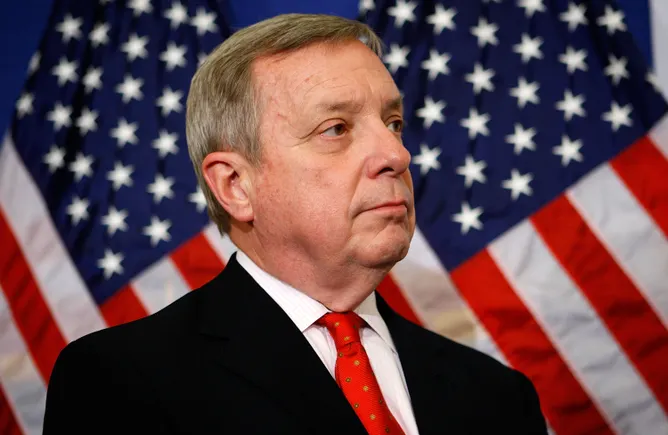
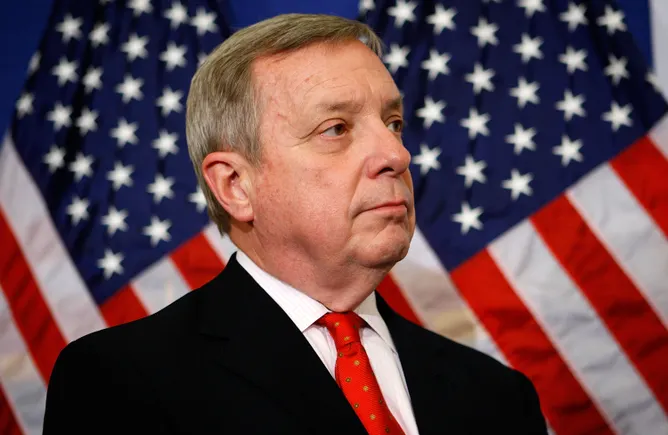
Visa and Mastercard are facing their biggest challenges in a decade as Democrats control Congress and the White House. Senate Majority Whip Dick Durbin has renewed attacks on the card networks' dominance and fees, a DOJ investigation into Visa's debit card practices is underway, and merchants are pursuing multi-billion-dollar litigation. The companies recently backed off a planned credit card fee increase, but pressure from lawmakers, regulators, and merchant groups continues to mount, with potential billions in legal damages and lost revenue at stake.
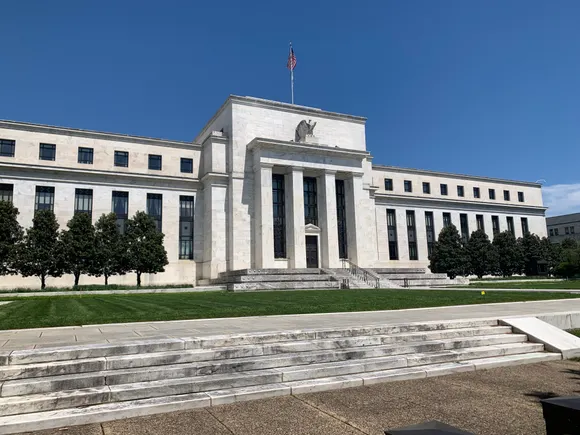
As multiple countries worldwide launch research on central bank digital currencies (CBDCs), policy implications remain fraught with questions. Greg Baer, CEO of the Bank Policy Institute, released a working paper exploring the costs, benefits, and significant impacts of CBDCs, noting that while technical discussions have been extensive, comprehensive policy-level discussions are insufficient. Meanwhile, the Boston Fed's collaboration with MIT may announce progress in July, China's digital yuan pilot is advancing, and Federal Reserve Chair Jerome Powell stated there is no need to rush to be the first issuer.
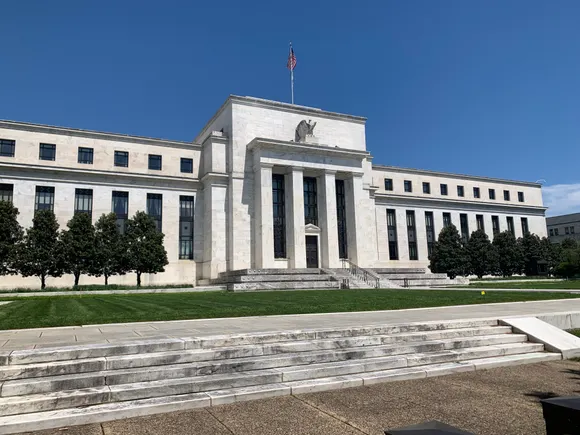
As governments around the world study central bank digital currencies (CBDCs), Bank Policy Institute CEO Greg Baer argues that policy implications remain underexplored. Baer's working paper highlights that a CBDC is not just digital cash but could transform the central bank's role. The Boston Fed's technical work with MIT focuses on 'could we' rather than 'should we.' Meanwhile, China's digital yuan, Sweden's e-krona, and the ECB's plans add urgency. Fed Chair Jerome Powell stresses caution and public input. Key concerns include disintermediation of banks, reduced lending, and uncertain financial inclusion benefits. The debate over direct vs. indirect models continues.