


Latest news
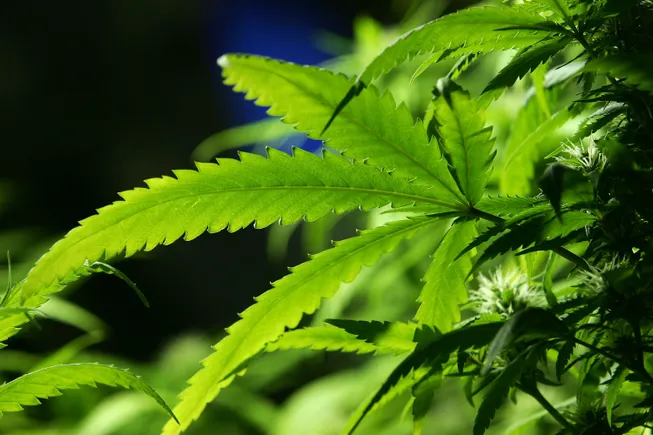
The House passage of the SAFE Banking Act marks a major step for the cannabis industry and creates growth opportunities for financial institutions. Banks should view this as a call to action, understanding the cannabis industry, compliance requirements, and operational impacts to gain a first-mover advantage. Serving high-risk cannabis businesses offers a less crowded battlefield for low-cost deposits, but banks must deeply engage in compliance and find new ways to organize customer data to mitigate risk. As legalization gains traction, banks that wait too long may face tougher competition.
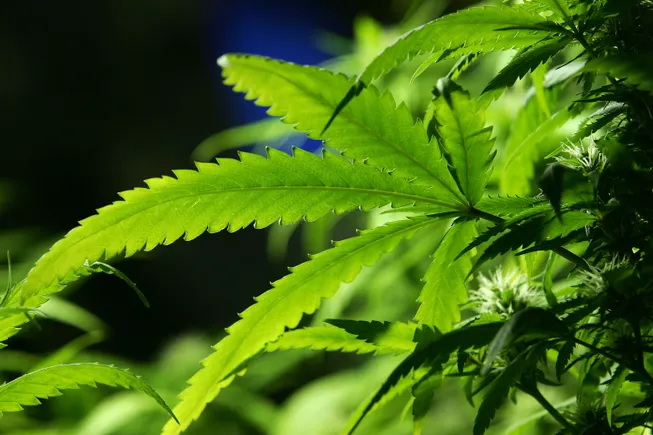
The passage of the SAFE Banking Act by the U.S. House of Representatives marks a significant step toward the legalization of the cannabis industry and presents growth opportunities for financial institutions. Banks serving cannabis-related businesses must shoulder dual responsibilities in compliance and data management, and should position themselves early to secure low-cost deposits and a competitive edge.

Money laundering is a massive global problem, with estimates of $2 trillion annually from criminal activities. Banks are on the front lines of anti-money laundering (AML) efforts, spending about $23 billion per year in the U.S. alone, yet they face $23 billion in fines over the past decade for not catching enough criminals. The challenge is akin to finding a needle in a haystack, as criminals use sophisticated tactics to hide their tracks. Artificial intelligence and machine learning offer promise by reducing false positive alerts—in some cases from 90% to 50%—allowing investigators to focus on truly suspicious activities. Regulators, including FinCEN and the Monetary Authority of Singapore, have welcomed these innovative approaches. While humans still make the final judgment, machines enhance effectiveness, reduce costs, and help experts spend more time catching criminals. Thus, AI in AML is not just about compliance but is good business.

The banking industry spends approximately $23 billion annually on anti-money laundering (AML), yet still faces fines of the same amount for inadequate supervision. Artificial intelligence and machine learning are becoming the key to breaking this deadlock: they can reduce false positive rates from as high as 90% to 50%, allowing investigators to focus on genuine risks. Five U.S. federal agencies, including FinCEN, and the Monetary Authority of Singapore have publicly welcomed such innovations, marking AI's transition from concept to practical application in the AML field.
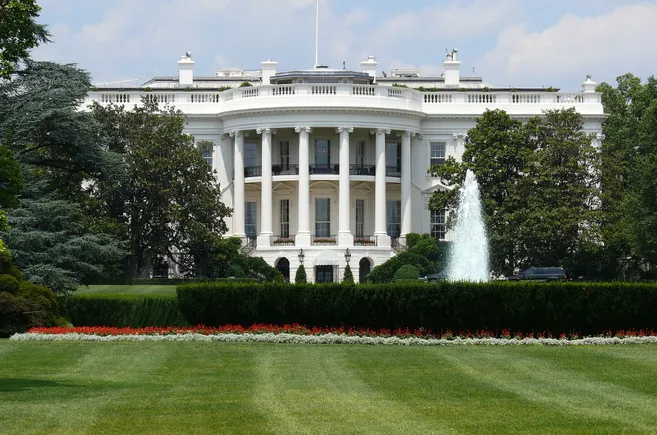
This article provides an overview of the 2020 presidential candidates' positions on banking issues. With more than two dozen candidates in the race, each has expressed views on banking. The content allows users to click on a candidate to learn more, with filters for Republicans and Democrats.
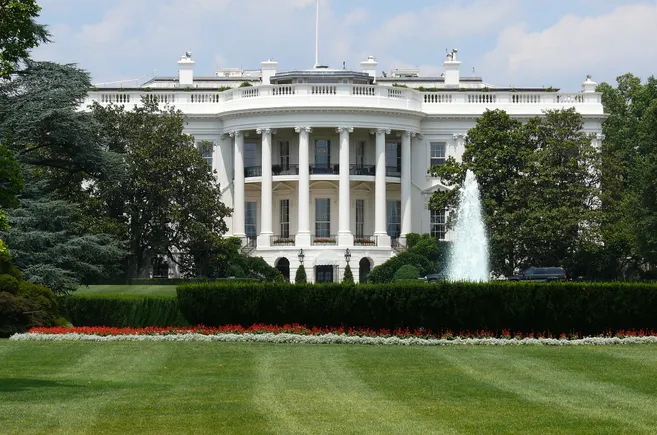
The 2020 U.S. presidential election is highly competitive, with over twenty candidates vying for the White House, and banking policy has become one of the key issues. This article summarizes the relevant positions of Republican and Democratic candidates and explains how to use an interactive tool to view each candidate's specific views.