


Latest news

As banking becomes fully digital, the focus in 2020 will shift from 'whether to digitize' to 'why digitize.' Based on the views of Jeff Hindle, Global Head of Retail Financial Services Segments at Mastercard, this article outlines five major trends in banking worth watching in 2020.

In this commentary, Jeff Hindle, global segment leader for Mastercard's retail financial services team, argues that 'digital' has become inherent to banking, so the focus in 2020 will shift to purposeful digital capabilities. He outlines five trends: financial services adopting an 'as-a-service' model, businesses demanding paperless payments, Big Tech becoming big banks, digital connections bringing digital crime, and going cashless to enable financial access. Each trend is examined with supporting data and implications for banks and fintechs.

Partnerships between fintech companies and financial institutions are becoming increasingly common, but not all collaborations go smoothly. Based on industry practices and data, this article proposes three key assessment questions: whether the partner has a good relationship with regulators, whether its anti-fraud measures are mature, and whether its business model is sustainable in the long term. These questions help identify risks early in the partnership to ensure success.

In this article, Luvleen Sidhu, co-founder, president and chief strategy officer at BankMobile, discusses how fintech partnerships can help financial institutions innovate and scale. She cites a study where 53% of C-level executives at midsize banks and credit unions believed fintech partnerships would be important in 2019. BankMobile's partnership with Upstart for personal loans is highlighted, with over two-thirds of loans originated through Upstart fully automated and approved in real time, and an NPS of 82. Sidhu then presents three questions to assess a potential fintech partner: whether the partner has a positive relationship with regulators, whether it has a proven approach to combat fraud (especially for online-only accounts and identity verification), and what the long-term sustainability of its business is. She emphasizes the need for proper regulatory planning, vendor management, fraud prevention measures, and a clear business plan for growth.

The digital environment is inherently anonymous. Although banks lead other industries in trust, they still need to use customer data more intelligently and maintain transparency to consolidate customer relationships. Experian's report points out that 76% of consumers trust companies that can control the use of their personal information more.

In a digital environment where trust is earned, banks are perceived as more trusted than other industries due to their security measures and frequent engagement. However, to maintain and deepen trust, banks must go beyond security and use customer data smartly to provide personalized experiences, while being transparent about data usage. According to Experian's 2019 Global Identity and Fraud Report, about 60% of consumers are aware of risks, yet over 70% would share more information for perceived benefits. Moreover, 76% trust businesses more when given control over personal information. By applying data smartly and ensuring transparency, banks can build durable relationships and foster a virtuous cycle of trust.
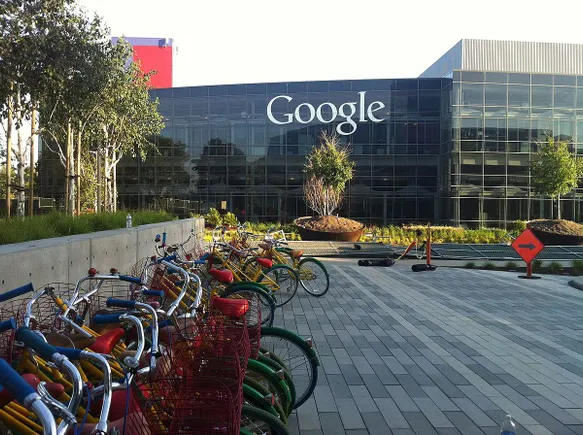
Two major tech companies have made moves into banking this year with contrasting branding strategies. Apple advertises its Goldman Sachs-backed Apple Card as 'created by Apple, not a bank,' while Google plans to co-brand a checking account with Citi and Stanford Federal Credit Union. The divergence raises a question for banks: should they operate in the background or promote their brand alongside big tech? Trust and risk considerations may explain the approaches, and experts say banks must decide whether to become 'dumb pipes' or remain relevant, while also watching for tech companies potentially becoming competitors.
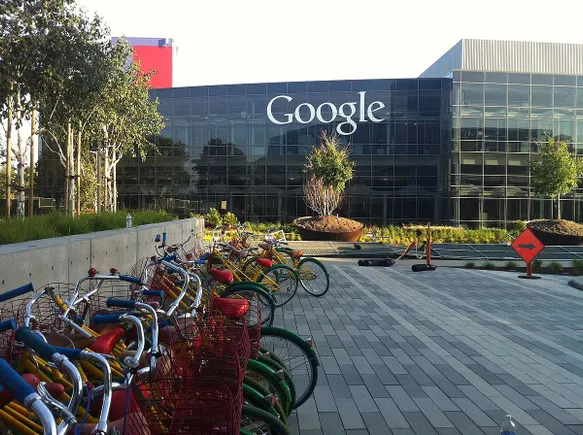
Apple and Google adopt distinctly different brand strategies in financial partnerships, prompting reflections on banks' brand positioning in collaborations with tech giants. This article analyzes trust, risk, and long-term competition factors.

Patrick Sobers, executive vice president at NBH Bank, argues that community banks should emphasize personal connections to partner with small businesses. As fintech firms gain ground in small-business lending, their models remain untested by a recession. Community banks offer a trusted local banker who understands the business, provides advice, and is available when problems arise. Sobers advises community banks to act as financial consultants, be willing to say no, and keep doors open to businesses even if they use fintech. This human relationship is a key advantage that will pay off as economic conditions change.

Fintech companies are accelerating their penetration into the small and micro enterprise lending market, yet community banks still hold unique advantages through localized, personalized services. This article explores how community banks can consolidate their value amid competition and a potential economic downturn by leveraging deep customer relationships, advisory services, and prudent credit decisions.