


Latest news
Triad Business Bank opened in March as the pandemic hit, quickly pivoting to PPP lending. Other de novos like RockPoint Bank and First Women's Bank paused fundraising but remain confident. Industry experts note that new banks with clean balance sheets can lend actively while established banks pull back, and can attract customers dissatisfied with larger institutions. The pandemic has accelerated some strategies and highlighted the value of community banks for small businesses.
At the onset of the COVID-19 pandemic, multiple de novo banks faced challenges such as paused fundraising and delayed openings, but industry experts point out that clean balance sheets and flexible operating models also give these new institutions a competitive advantage. Leaders from Triad Business Bank, RockPoint Bank, First Women's Bank, and Piermont Bank shared their response strategies and market observations during the pandemic.

Written by Alden Seabolt, head of consumer banking at Blend, this article points out that banking has shifted from the past battle for deposits to a strategy centered on customer relationships. By drawing on the successful experiences of consumer brands such as Apple and Amazon, banks should focus on listening to customer needs, providing seamless experiences, and using data-driven personalization to build lasting partnerships.

In this opinion piece, Alden Seabolt, consumer banking lead at Blend, contends that the era of fighting for deposits is over. Banks should instead win customers' hearts by acting as trusted advisers, engaging customers as individuals rather than profiles, and providing fast, frictionless digital experiences with a human touch. Seabolt cites Apple, Netflix, and Amazon as models for customer-centric engagement and outlines three steps: obsess about understanding the customer, ensure operational teams have access to data, and seek intimate understanding to create lifelong relationships. He notes that even legendary banker Hugh McColl Jr. embraced servant leadership, suggesting other leaders can abandon war rhetoric too.
During the pandemic, community banks faced liquidity pressures in providing SBA loans to small businesses. Converting pledged deposits into FDIC-insured reciprocal deposits can release capital, improve liquidity, and provide local governments with more competitive options. This article explores how this strategy works and its potential impact on the community economy.
Community banks need liquidity to fund SBA loans for small businesses affected by the coronavirus pandemic. Moving collateralized funds into FDIC-insured reciprocal deposit programs can free up capital and improve liquidity ratios. Most states now allow local subdivisions to use reciprocal networks, and federal legislation treats reciprocal deposits as core deposits. Municipalities can also benefit by moving funds from collateralized programs to reciprocal deposit sweeps, increasing competition and options. Banks and municipalities should work together to ensure local businesses can access loans through community banks.
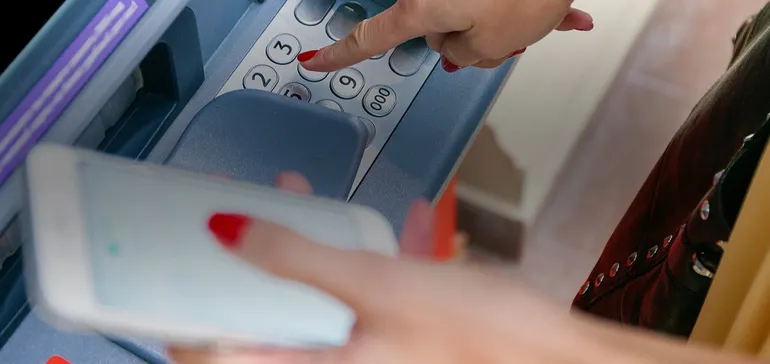
The COVID-19 pandemic has forced banks to reduce branch operations, but financial services are designated as critical infrastructure. Diebold Nixdorf executive Octavio Marquez points out that multifunctional ATMs, remote tellers, cash recycling machines, and self-service equipment are becoming core means to fill service gaps and ensure the safety of customers and employees.
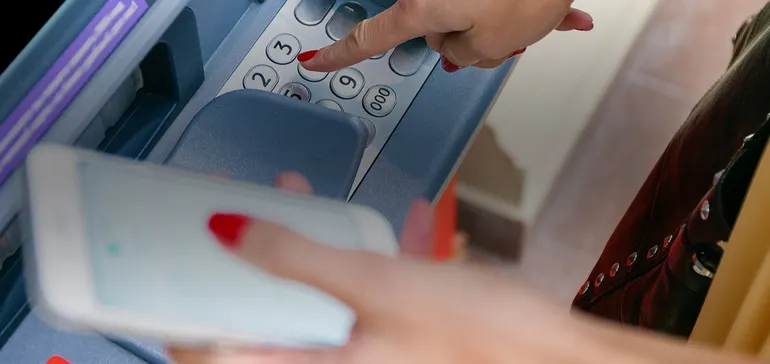
As the COVID-19 pandemic disrupts business operations, banks are rapidly adjusting to better leverage self-service and digital automation to bolster customer experience. With banking services classified as essential and critical infrastructure, many banks are reducing branch hours, requiring appointments, or closing branches to keep employees and customers safe. Consumers' ability to conduct in-person transactions declines, so banks rely on technology to fill the gaps. ATMs can be configured for various critical transactions beyond cash withdrawal, such as deposits, bill payments, fund transfers, and loan applications. Drive-up lanes are being reinstalled, and interactive ATMs or remote tellers allow round-the-clock service. Automated cash recycling reduces handling steps and boosts safety. Self-service technology is also mission-critical for grocery stores, fuel stations, and pharmacies. By keeping essential services operating and leveraging technology, banks can achieve stability to weather the crisis.

The COVID-19 pandemic has impacted global markets. Although the banking system is more robust than in 2008, external threats remain. Community banks should strengthen their personalized service advantages, demonstrating true value through humanized communication and professional advice amid customer anxiety and accelerated digital transformation.

In the face of coronavirus-induced market volatility, banks should emphasize personalized service to reassure anxious customers. Customers worry about money safety, loan support, and digital banking access. Community banks with strong customer relationships can offer tailored advice, especially on refinancing and small business loans, contrasting with fintechs' high-volume approach. Banks must also assist seniors with digital tools and prioritize health and safety while maintaining communication.