


Latest news

Overdraft fees drew scrutiny at congressional hearings in May, where Sen. Elizabeth Warren called out JPMorgan Chase CEO Jamie Dimon over $1.5 billion in fees collected during the pandemic. While large banks face pressure, community banks like First National Bank Texas and Woodforest National Bank rely heavily on service charges for revenue. Some banks and fintechs are introducing products to help customers avoid overdraft fees, but legislation like the Overdraft Protection Act remains contested. Industry data shows overdraft fee revenue declined in 2020, and changing customer expectations may drive further shifts.

At a May congressional hearing, Democratic and Republican lawmakers clashed over the overdraft fee policies of Wall Street's major bank CEOs. Data shows that community banks rely far more heavily on overdraft fee income than large banks, while legislative and market forces are pushing the industry to reassess this fee model.
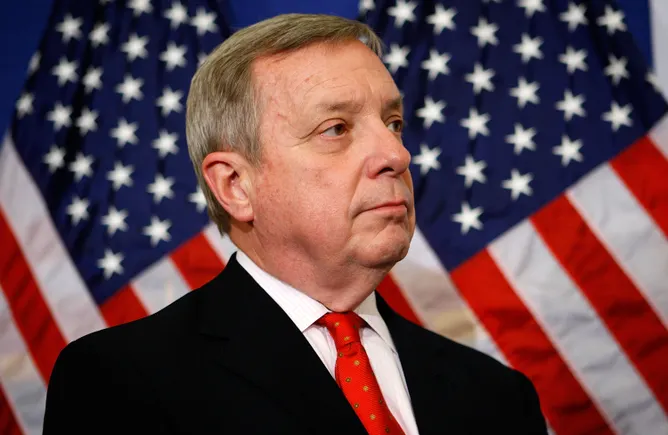
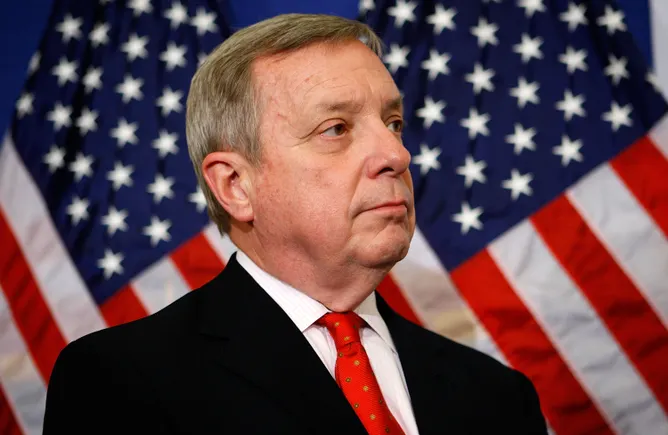
Visa and Mastercard are facing their biggest challenges in a decade as Democrats control Congress and the White House. Senate Majority Whip Dick Durbin has renewed attacks on the card networks' dominance and fees, a DOJ investigation into Visa's debit card practices is underway, and merchants are pursuing multi-billion-dollar litigation. The companies recently backed off a planned credit card fee increase, but pressure from lawmakers, regulators, and merchant groups continues to mount, with potential billions in legal damages and lost revenue at stake.
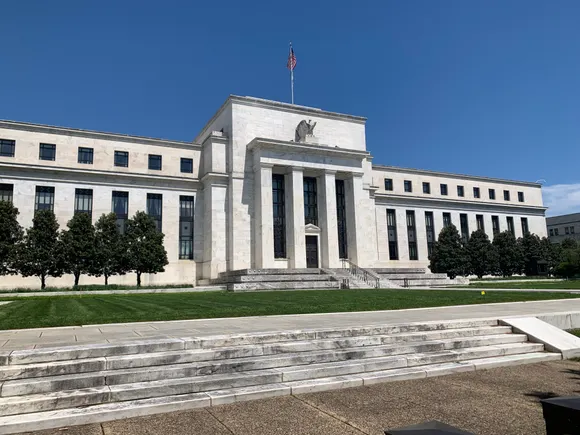
As governments around the world study central bank digital currencies (CBDCs), Bank Policy Institute CEO Greg Baer argues that policy implications remain underexplored. Baer's working paper highlights that a CBDC is not just digital cash but could transform the central bank's role. The Boston Fed's technical work with MIT focuses on 'could we' rather than 'should we.' Meanwhile, China's digital yuan, Sweden's e-krona, and the ECB's plans add urgency. Fed Chair Jerome Powell stresses caution and public input. Key concerns include disintermediation of banks, reduced lending, and uncertain financial inclusion benefits. The debate over direct vs. indirect models continues.
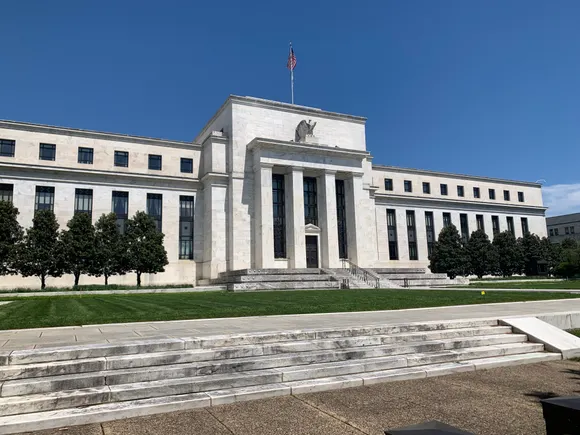
As multiple countries worldwide launch research on central bank digital currencies (CBDCs), policy implications remain fraught with questions. Greg Baer, CEO of the Bank Policy Institute, released a working paper exploring the costs, benefits, and significant impacts of CBDCs, noting that while technical discussions have been extensive, comprehensive policy-level discussions are insufficient. Meanwhile, the Boston Fed's collaboration with MIT may announce progress in July, China's digital yuan pilot is advancing, and Federal Reserve Chair Jerome Powell stated there is no need to rush to be the first issuer.
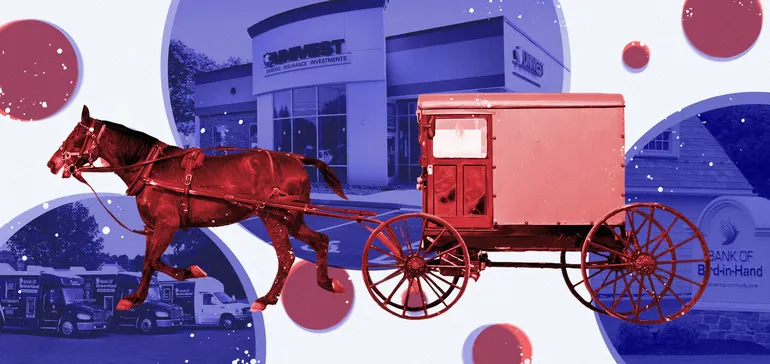
In Lancaster County, Pennsylvania, banks are adapting to serve the largest Amish settlement in the U.S. Bank of Bird-in-Hand operates mobile banking buses to bring services directly to Amish communities, while other lenders like Univest and M&T Bank use Amish directories and bishop letters for identification. The Amish, who largely avoid modern technology, present a unique market with strong credit quality and community backstops. Despite regulatory hurdles, these banks find relationship banking with the Amish rewarding and sustainable.
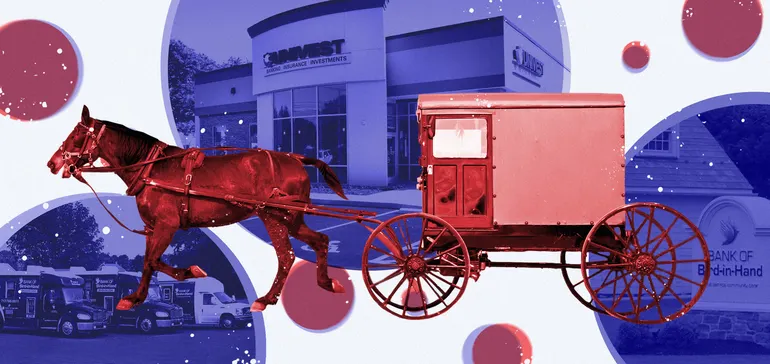
In Lancaster County, Pennsylvania, several banks are serving the largest Amish community in the United States in unique ways. From investing $1 million to build a fleet of mobile bank vehicles, to using Amish directories for customer identity verification, to designing exclusive loan products for homes without electricity, these practices not only meet the financial needs of the Amish people but also reveal the differentiated survival strategies of community banks amid the wave of digitalization.

The buy-now-pay-later (BNPL) space has seen explosive growth, with fintechs like Klarna, Afterpay, and Affirm leading the charge. BNPL transactions in the U.S. reached $20-25 billion last year and are projected to grow significantly. Banks are now entering the space, with some partnering with fintechs like Amount to offer white-label BNPL services, while others have launched their own installment products. Banks' existing merchant relationships and lower cost of capital could give them an edge, but they face challenges from agile fintechs and changing consumer behavior, particularly among younger consumers wary of credit card debt.

The buy now, pay later (BNPL) market experienced explosive growth during the pandemic, with U.S. transaction volumes reaching $20-25 billion in 2020, and global e-commerce installment payments are expected to reach $680 billion by 2025. Although banks have advantages in funding costs and customer relationships, they need to address technological shortcomings and changing preferences among younger consumers. Tech companies like Amount offer white-label solutions, while Citi and JPMorgan have launched similar installment products, and Affirm's debit card poses a direct challenge to the banking industry.