


Latest news

PayPal CEO Alex Chriss is steering the company beyond its payments legacy, aiming to turn it into a commerce platform that connects merchants and consumers. Since taking the helm in September 2023, Chriss has overhauled management, launched new services like Fastlane, and tapped into consumer data to offer personalized shopping experiences. Despite competition from Apple, Google, Stripe, and Klarna, PayPal's recent financial results show growth, with net income up 6.4% and shares climbing 46% since July. Chriss's strategy includes divesting non-core assets and streamlining operations to focus on its core branded business, Braintree, and Venmo.

In this guest post, Hope Dmuchowski, CFO and senior executive vice president at First Horizon, reflects on her career journey and shares six key lessons: seek mentorship to learn and lead; choose your attitude; be the most prepared person in the room; embrace challenges as pathways to growth; don't underestimate the power of kindness; and never stop learning. She illustrates these lessons with personal anecdotes, including how her team responded when the TD Bank deal fell through unexpectedly.

The SAFER Banking Act may not solve the problem of tens of billions in unsecured cannabis cash held outside the U.S. banking system. The legislation and forthcoming regulations largely ignore how small retailers' cash hoards will be repatriated. Third-party compliance certification, similar to the Joint Commission's role in healthcare, could provide verification of the source and ownership of legacy cash transactions, helping retailers and banks comply with anti-money laundering laws. Private security firms with forensic accounting expertise could be enlisted, pending Treasury guidance and qualification. This approach addresses the immediate security risks and creates a mechanism to bring stranded assets into the economy.
As regulatory approval timelines for bank M&A stretch out, banks are taking proactive steps to smooth the path to a deal. Investment bankers and attorneys report four key strategies: raising capital alongside a deal, committing to specific capital ratio requirements, exploring charter changes to find a more amenable regulator, and engaging regulators earlier in the process. These moves aim to address regulators' heightened concerns about capital levels, commercial real estate exposure, and interest rate effects following last year's regional bank failures. Recent deals like UMB-Heartland, SouthState-Independent Bank, and Wintrust-Macatawa illustrate the renewed activity, while transactions such as Provident-Lakeland and FirstSun-HomeStreet show how capital raises and charter changes are being used to secure approval.

A year after SVB's failure, the banking landscape has seen both improvements and persistent issues. This article reviews six key areas: upcoming liquidity regulations, discount window access, commercial real estate exposure, the growing 'problem bank' list, rising Deposit Insurance Fund costs, and inconsistent regulation. While some progress has been made, challenges remain, as highlighted by recent events like NYCB's troubles and ongoing concerns about CRE and regulatory fragmentation.
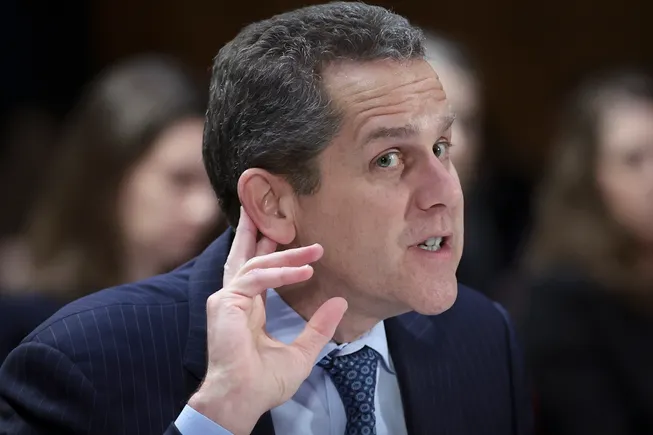
The deadline for public comment on the Federal Reserve-led revamp of capital requirements has passed, but the proposal—which would force the largest U.S. banks to hold roughly 19% more capital—remains highly contentious. Critics include Fed governors Christopher Waller and Michelle Bowman, who dissented, and a broad coalition of banking groups, academics, and lawmakers who argue the rule lacks justification and could harm lending and competitiveness. JPMorgan Chase and the Bank Policy Institute have raised the possibility of litigation, while community advocates warn of negative impacts on minority homeownership. The proposal's fate remains uncertain, with some suggesting a re-proposal may be necessary.
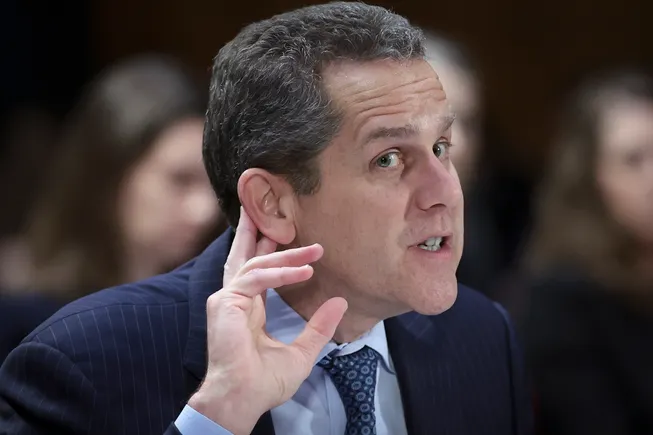
Federal Reserve Vice Chair for Supervision Michael Barr hinted on Tuesday that the Bank Term Funding Program may not be extended, while regulators are seeking public comment on data regarding the impact of new capital rules.
In a Tuesday speech, Fed Vice Chair for Supervision Michael Barr suggested the Bank Term Funding Program, set to expire March 11, will likely not be extended despite record borrowing. He also announced that the Fed will seek public comment on data related to its controversial July capital-requirements proposal, an unusual step for rulemaking. The proposal has faced criticism from lawmakers, trade groups, and even within the Fed, with Governors Bowman and Waller dissenting and Chair Powell attaching reservations.

Women entrepreneurs have long faced gender bias in accessing business loans, such as requirements for male co-signers. In response, several women-founded banks have emerged in recent years, including First Women's Bank, Agility Bank, and Fortuna Bank, aiming to fill the capital access gap. The article cites industry leaders' perspectives, analyzes the disproportionate impact of the pandemic on self-employed women, and points out that serving women-owned businesses is not only a matter of fairness but also sound business strategy.

Women entrepreneurs have historically faced hurdles securing business loans, often being asked for a male cosigner. A new crop of women-owned de novo banks—including First Women's Bank, Agility Bank, and Fortuna Bank—is emerging to address this gap. Leaders from these institutions and the Association of Women's Business Centers discuss the challenges women face, the impact of the pandemic, and why serving women-owned businesses makes good business sense.