


Latest news
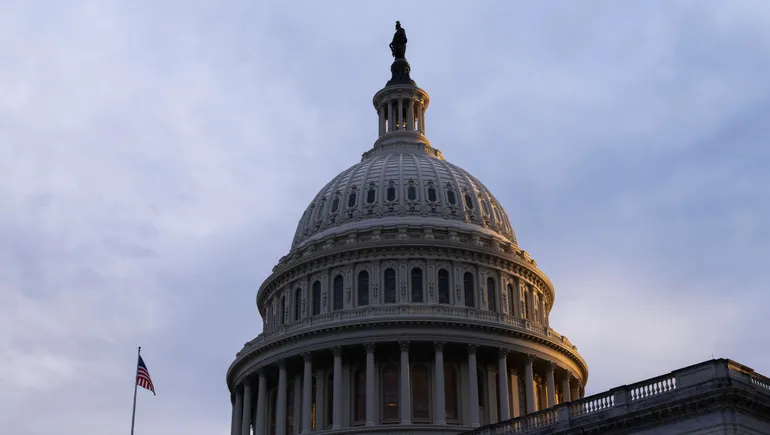
Rebeca Romero Rainey, President and CEO of the Independent Community Bankers of America (ICBA), said in an interview that the banking industry has no room for compromise on closing the stablecoin loophole in the Clarity Act. She warned that the loophole could make stablecoins a substitute for deposits, potentially causing up to $1.3 trillion in deposit outflows and triggering an $850 billion reduction in local lending. She also responded to related questions from the White House Council of Economic Advisers and discussed communication strategies with the Trump administration and changes in the community bank regulatory environment.

Qubic Labs, a fintech incubator in Quincy, Massachusetts, is relying on community support after expected state grants and city matching funds did not materialize. Co-founder Ian Cain stated that cash and in-kind commitments have been received, but the amounts are not yet sufficient to cover the shortfall. The organization has supported about 70 companies, raised approximately $40 million in funding, and plans to host Boston Blockchain Week from September 8 to 10.
Trump's legal team on Friday accused Capital One of deciding to close accounts linked to the president without sufficient evidence, calling its anti-money laundering investigation a 'political pretext.' The lawyers asked the court to reject the bank's motion to dismiss the lawsuit and to disclose internal emails showing the bank reached conclusions before seeking evidence.
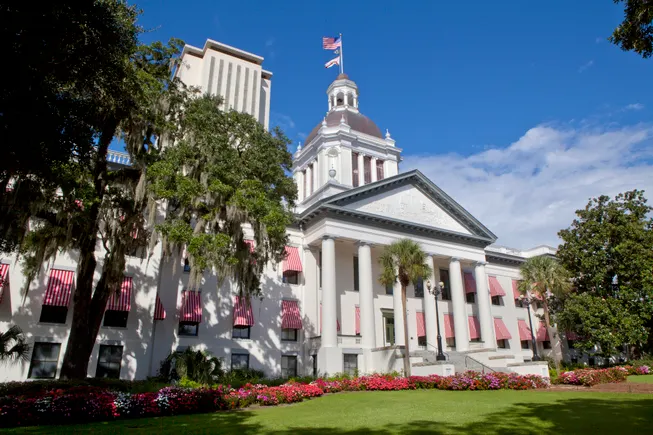
Gulf Winds Credit Union, based in Pensacola, Florida, has agreed to acquire Madison County Community Bank of Madison, Florida. Terms were not disclosed. The credit union will also change its name to TruWorth Credit Union in spring 2027. The combined entity will have approximately $1.7 billion in assets, 15 branches across Florida and Alabama, and 87,000 members. Regulatory approval is expected in mid-2027, with integration by 2028. Gulf Winds has about $1.3 billion in assets and was founded in 1954. Madison County Community Bank, established in 1999, has about $212 million in assets and operates in Madison and Taylor counties. Bank employees will remain, and neither location will close. The deal is the sixth whole-bank purchase by a credit union announced this year. Credit union-bank deals have slowed in 2026, with only four announced in the first six months compared with 15 in 2025 and a record 20 in 2024, according to S&P Global Market Intelligence. The ICBA continues to urge lawmakers to end the federal tax exemption for credit unions with $1 billion or more in assets, while America's Credit Unions has said changes could negatively impact credit unions' ability to help consumers and communities.
The Clearing House is preparing to extend its real-time payment network RTP to international cross-border payments, aiming to launch a pilot in the first half of 2027, with BNY confirmed to participate. Meanwhile, the Federal Reserve's FedNow system is also considering a similar cross-border expansion, but no clear timeline has been set.
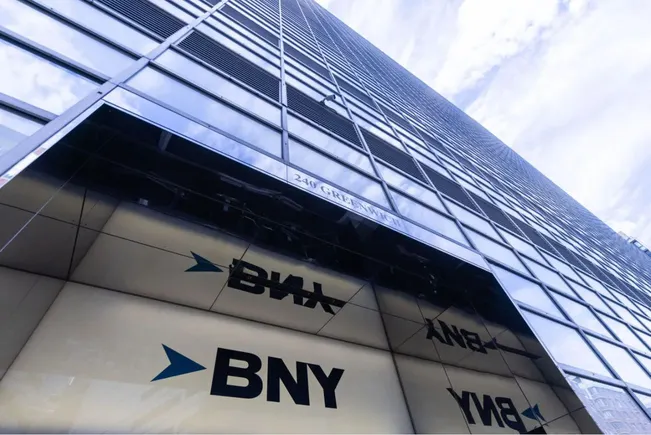
The Clearing House will extend its RTP network across borders by the first half of next year, launching a pilot with BNY as an early participant. The move aims for a 2027 start, preceding the Federal Reserve's proposed international extension of FedNow. TCH updated RTP rules to allow one-leg-out payments, effective next month, with early adopter banks planning to pilot the capability early next year. BNY's Carl Slabicki cited global demand for 24/7 payments to and from U.S. beneficiaries, noting such real-time cross-border payments are already common in Australia, the U.K. and India.
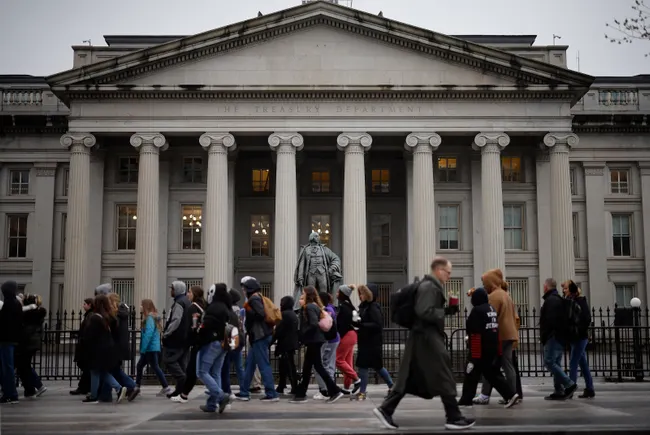
The U.S. Treasury announced on Monday the formation of a Quantum Readiness Working Group aimed at preparing the financial industry for an era when quantum computers could break traditional encryption. The working group will coordinate financial institutions, technology providers, and government agencies to promote the adoption of post-quantum encryption algorithms, focusing on identifying critical dependencies, enhancing cryptographic agility, fostering interoperability, and strengthening operational resilience. The National Institute of Standards and Technology has approved multiple post-quantum algorithms, but experts estimate the time window for quantum computers to break traditional encryption is approximately 5 to 10 years.

At the Semafor Banking on the Future Forum in May, Comptroller of the Currency Jonathan Gould defended the OCC's conditional approvals of national trust charters, emphasizing a statutory standard of 'reasonable chance of success' rather than zero risk tolerance. He addressed criticism from bank trade groups and Democratic lawmakers, including Sen. Elizabeth Warren, and discussed the FDIC's role, the executive order on immigration status, and BSA/AML reforms.

Russ Barrett, Chief Operating Officer of Valley Bank in New Jersey, said the rise of AI is changing the traditional 'build vs. buy' decision-making model for mid-sized banks. The bank has replaced three external contracts with AI and controls costs through tiered employee access, while advancing customer relationship use cases.

Based on discussions and panel sessions during the fall conference season, this article highlights four key points in the payment industry: merchants need to keep up with payment innovation, cross-border payment friction can hinder growth, choosing the right payment processing path can save costs, and staying informed maintains competitiveness. These recommendations aim to help all parties in the payment ecosystem succeed in 2020.