


Latest news
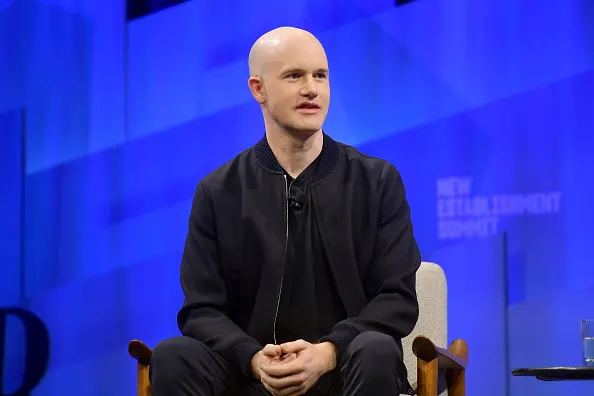
Coinbase's chief accounting officer, Jennifer Jones, is retiring, according to a Friday securities filing. The New York-based crypto exchange has begun a search for her successor, and Jones will remain in the chief and principal accounting roles until they are transitioned. Her departure is the latest leadership change since CEO Brian Armstrong announced a 14% workforce reduction in May, tied to an AI-native strategy. Since then, the company has announced changes in at least two other top executive posts. Coinbase's stock has fallen about 17% so far this year. Jones, who has been chief accounting officer since July 2018, did not immediately respond to a request for comment on why she is leaving.
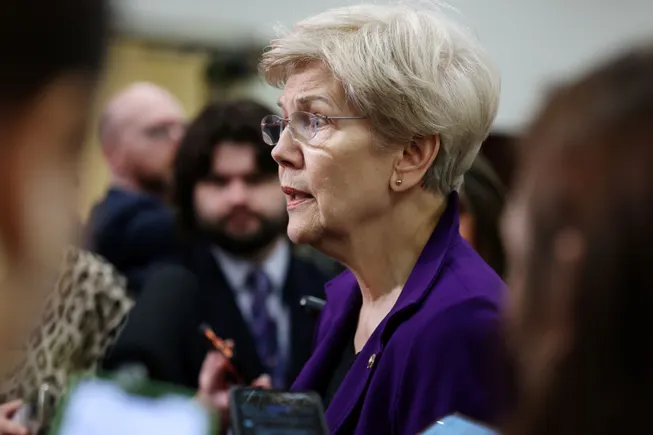
Two U.S. senators, Elizabeth Warren and Chris Van Hollen, sent a letter Wednesday calling on nonbank lender OppFi to withdraw its application to acquire Arizona-based bank holding company BNCCORP and its subsidiary BNC National Bank. The lawmakers allege OppFi's business model relies on predatory lending, including personal installment loans with APRs up to 195%, and cite high charge-off rates and aggressive refinancing tactics. They point to Enova's recent decision to terminate its bid for Grasshopper Bank as a precedent. OppFi pushed back, saying its bank charter application is being politicized and that its business model is compliant and would be subject to rigorous federal oversight. The letter follows opposition from 20 state attorneys general in July.
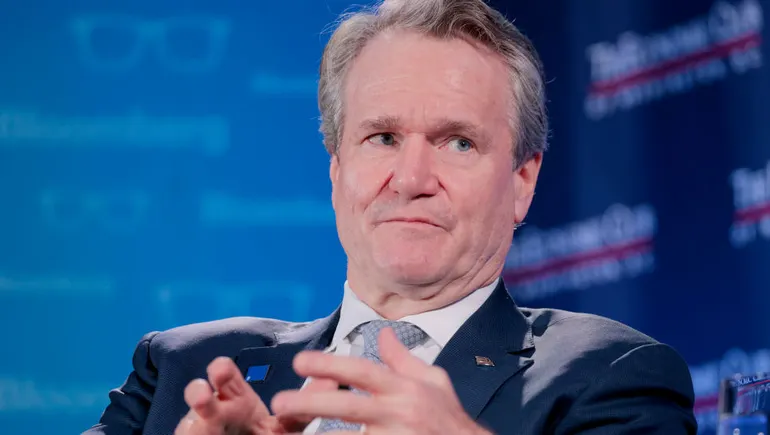
Bank of America announced it will hire 1,000 additional apprentices over two years and commit $150 million to workforce development by 2031, emphasizing skills-based hiring. Barclays, facing union opposition, extended the implementation period for its three-day office attendance requirement to 2027, though it still encourages compliance. Both moves reflect a populist turn amid a softening employer market and the need to cultivate talent in an AI-driven industry.

Latitude Global, a startup founded by former Stripe and Zerohash executives, is using stablecoin rails to provide faster and cheaper cross-border payments. CEO Cyril Mathew says the company settles payments in less than two minutes and creates fiat on- and off-ramps for neobanks. Latitude currently reaches about 50 countries and plans to expand to 200, focusing on Southeast Asia and Africa. The company has raised $43 million and is regulated in 45 U.S. states. Mathew discusses the role of stablecoins, the need for consolidation in the market, and how pricing may evolve.

The Office of the Inspector General released a report Wednesday finding that the Federal Reserve Board mismanaged the multibillion-dollar renovation of one of its building complexes but did not violate criminal law. The report said there were no reasonable grounds to believe a federal criminal law violation occurred requiring referral to the U.S. Attorney General, and no administrative misconduct was identified. President Donald Trump criticized the findings, blaming Jerome Powell for cost overruns and demanding his resignation. The renovation costs ballooned from $1.3 billion in 2020 to over $2 billion by 2024, with the project originally slated for completion in mid-2024 but now expected to end in December 2027. The OIG made several recommendations, including negotiating a guaranteed maximum price. Sen. Elizabeth Warren called for swift implementation of the recommendations and for Congress to improve transparency and accountability at the Fed.

After taking the CEO post at Amerant Bancorp in November 2025, Carlos Iafigliola embarked on a credit turnaround. The bank conducted a third-party review of its loan portfolio, retooled its credit team, appointed a new chief credit officer, and revamped credit practices. Nonperforming assets, which had jumped to $140 million in Q3 2025, rose further to about $187 million in Q4 before dipping to $186.6 million in Q2 2026. The bank simplified its structure, trimmed expenses, and is now focusing on growing its commercial segment, particularly serving companies in logistics, education, and professional services in south Florida and Tampa. Amerant is also pursuing growth in Venezuela, where deposits increased to $2.5 billion in Q2.
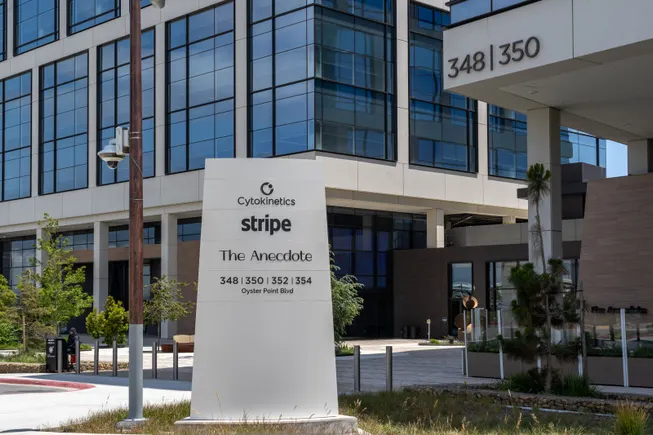
Stripe announced it will acquire Parafin, an embedded financing startup valued at $750 million as of late 2024, to strengthen support for small businesses. Parafin integrates credit offerings through software vendors like Gusto, SpotOn, and DoorDash, and has extended $3 billion in credit to about 60,000 businesses in the U.S. and Canada. The deal, for undisclosed financial terms, is expected to close in coming months. Stripe, which serves about 18,000 digital service providers, sees the acquisition as a revenue opportunity and a way to bring more credit to small businesses. Parafin founders Sahill Poddar and Vineet Goel said operations will continue unaffected after the merger.

Fiserv has launched its stablecoin system, debuting with the Roughrider Coin backed by the Bank of North Dakota. The platform, developed with VersaBank, Fireblocks, and Solana, aims to enable efficient money movement for roughly 90 financial institutions. The launch comes as Fiserv faces pressure from activist investor Jana Partners and questions about its own FIUSD stablecoin.

Mercury Bank CEO Jon Auxier said at the Federal Reserve Bank of Philadelphia's annual fintech conference that pursuing a bank charter must be a fintech's top priority to succeed. Mercury applied for a national bank charter in December and aims to launch Mercury Bank by late 2027. Auxier, who helped lead SoFi's charter implementation, emphasized that charter preparation affects every function. SoFi Bank EVP Eric Schuppenhauer and Square Financial Services CEO Richard Rosenthal also shared insights on mindset, hiring, and the benefits of strong supervision.

The Federal Reserve on Wednesday finalized two rules aimed at increasing transparency and public accountability in bank stress testing and reducing volatility in capital requirements. One rule requires public comment on annual stress test scenarios and material model changes, and tests banks against two global market shock components, using the larger loss. The other rule, effective in 2028, calculates the stress capital buffer using the average of the last two annual tests. The Fed also requested comment on a revision to its noninterest income model. Fed Vice Chair for Supervision Michelle Bowman said the changes preserve the stress test's resilience, but Governor Michael Barr dissented, arguing they will reduce rigor and credibility. Trade groups welcomed the changes, while Better Markets criticized them as making the process hollow. The updated framework takes effect Dec. 31.