


Deep Dive
来自我们记者的行业洞察

When the only bank branch in a community withdraws, local residents and small businesses may fall into a predicament lacking credit and cash deposit services. A Federal Reserve report shows that from 2012 to 2017, the United States closed 6,764 branches, with 44 counties severely affected, 39 of which were rural counties. This article explores the economic drivers behind bank withdrawals, the disruption of credit relationships for small businesses, the takeover model of credit unions, and whether digital banks can fill this vacuum.

When a community's only bank branch closes, residents and small businesses lose access to credit and cash deposit options, creating banking deserts. The Federal Reserve reports 6,764 branch closures from 2012 to 2017, with 44 counties deeply affected, 39 of them rural. The NCRC found 86 new rural banking deserts from 2008 to 2016. Banks close branches for profitability, leaving rural areas vulnerable. Small business lending drops 13% after branch closures, and relationship-based 'soft information' is lost. Credit unions like Hope Credit Union have taken over branches, but controversy surrounds credit union acquisitions. Digital banks like N26, Monzo, Chime, and Varo see opportunities in underserved areas, but experts say they can't fully replace physical branches. Branch costs run $600,000 to $800,000 annually, prompting banks to rethink brick-and-mortar strategies.
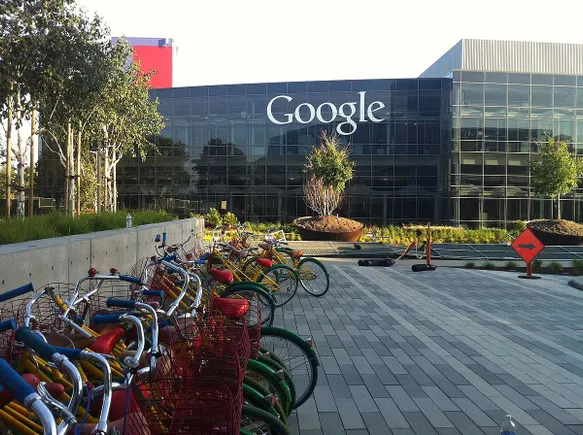
Apple and Google adopt distinctly different brand strategies in financial partnerships, prompting reflections on banks' brand positioning in collaborations with tech giants. This article analyzes trust, risk, and long-term competition factors.
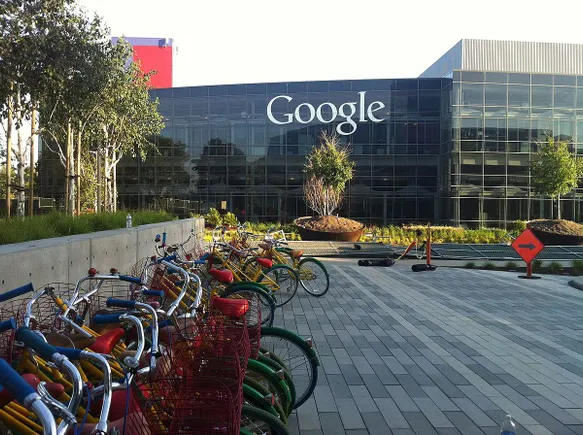
Two major tech companies have made moves into banking this year with contrasting branding strategies. Apple advertises its Goldman Sachs-backed Apple Card as 'created by Apple, not a bank,' while Google plans to co-brand a checking account with Citi and Stanford Federal Credit Union. The divergence raises a question for banks: should they operate in the background or promote their brand alongside big tech? Trust and risk considerations may explain the approaches, and experts say banks must decide whether to become 'dumb pipes' or remain relevant, while also watching for tech companies potentially becoming competitors.
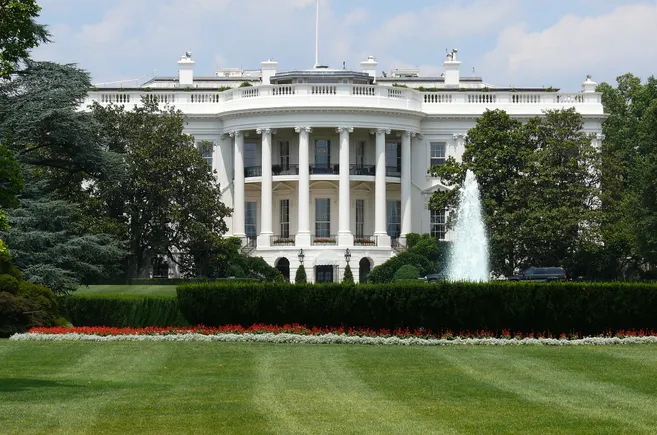
The 2020 U.S. presidential election is highly competitive, with over twenty candidates vying for the White House, and banking policy has become one of the key issues. This article summarizes the relevant positions of Republican and Democratic candidates and explains how to use an interactive tool to view each candidate's specific views.
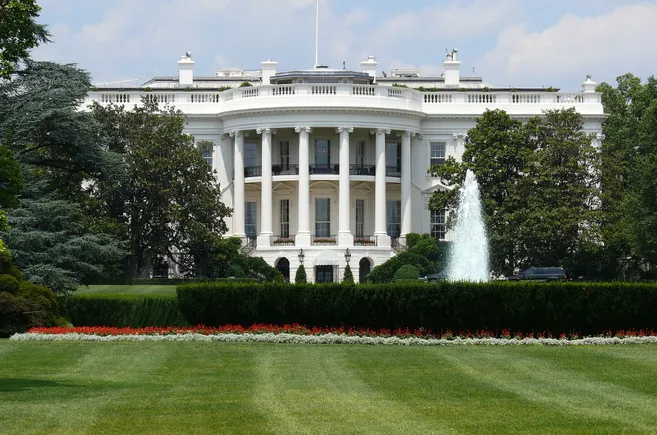
This article provides an overview of the 2020 presidential candidates' positions on banking issues. With more than two dozen candidates in the race, each has expressed views on banking. The content allows users to click on a candidate to learn more, with filters for Republicans and Democrats.