


Deep Dive
来自我们记者的行业洞察

In 2020, the number of credit union acquisitions of community banks increased significantly, with three deals in Indiana alone. Supporters argue this provides a liquidity exit for small banks, while opponents accuse credit unions of abusing their tax-exempt advantages. This article reviews multiple perspectives and the latest developments.

Credit unions have resumed acquiring community banks, with Crane Credit Union's recent deals in Indiana highlighting a growing trend. The ICBA argues that tax-exempt credit unions have an unfair advantage, while credit union advocates say the opposition is a membership play. The article explores the reasons behind the deals, including regulatory pressures and technology costs, and examines whether Congress will intervene.
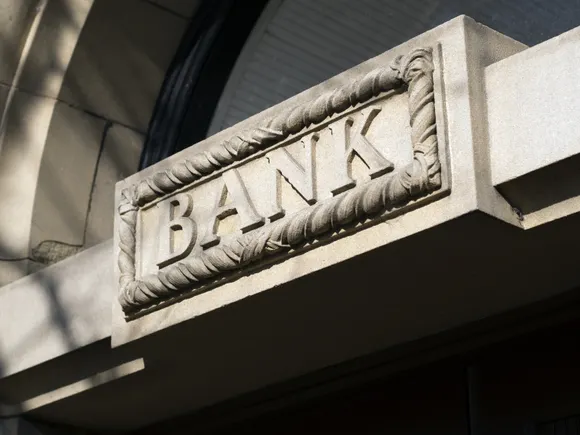
The COVID-19 pandemic led to the temporary closure or restricted operations of thousands of bank branches, with customers and employees gradually adapting to digital channels. Experts note that this 'forced mobility experiment' will accelerate banks' actions on the cost side, including branch consolidation and office space reduction. PNC, Bank of America, and others have already expressed or taken action, with KBW estimating that the number of bank branches in the U.S. will shrink by 20% to 30%, while the prevalence of remote work may also drive banks to reduce headquarters office space.
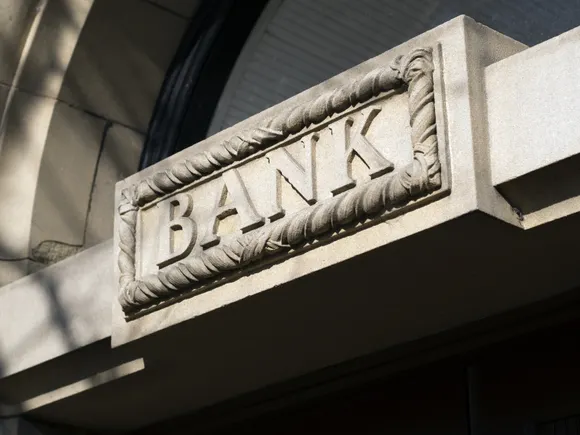
The COVID-19 pandemic has led banks to temporarily close branches and limit hours, accelerating the adoption of digital banking. Experts suggest this will speed up branch consolidation and office downsizing as consumer habits shift permanently toward digital channels. Banks like PNC and U.S. Bank are reconsidering their physical footprints, while others like Bryn Mawr Bank and ConnectOne Bank are already reducing space. The pandemic presents an opportunity for banks to cut costs and adapt to new customer behaviors.

Community banks helped non-customers obtain forgivable loans through the Paycheck Protection Program (PPP) and are now actively implementing strategies to turn new customers into long-term small business clients. This article explores the follow-up measures, customer feedback, and industry impact of several community banks.

Community banks participated in the Paycheck Protection Program to help small businesses, including noncustomers, and are now implementing strategies to retain those new clients. Banks with less than $10 billion in assets made 44% of PPP loans as of June 30, according to the SBA. Institutions like First Resource Bank, Grand Rapids State Bank, Citizens Bank of Edmond, and Republic Bank are using follow-up campaigns, personal videos, social media, and in-person visits to build lasting relationships. Bankers believe the personal touch and access to decision-makers give community banks an edge over larger competitors, and hope the memory of help during the crisis will keep new customers loyal.
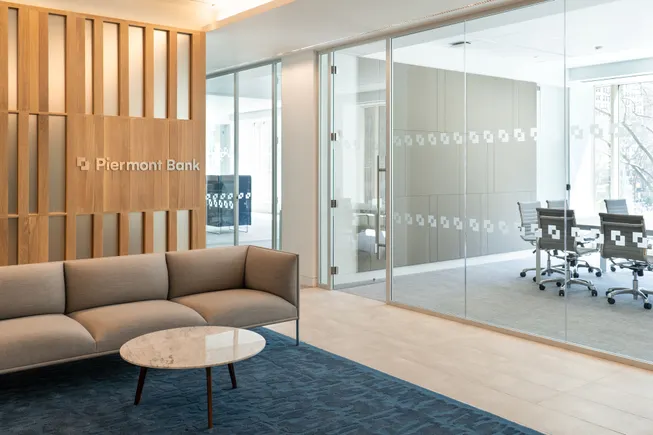
At the onset of the COVID-19 pandemic, multiple de novo banks faced challenges such as paused fundraising and delayed openings, but industry experts point out that clean balance sheets and flexible operating models also give these new institutions a competitive advantage. Leaders from Triad Business Bank, RockPoint Bank, First Women's Bank, and Piermont Bank shared their response strategies and market observations during the pandemic.
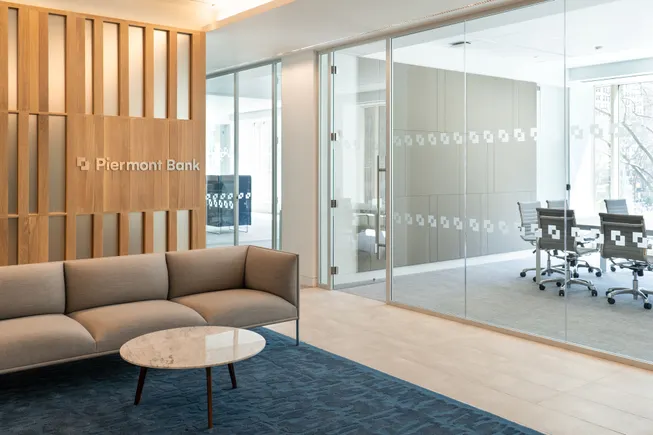
Triad Business Bank opened in March as the pandemic hit, quickly pivoting to PPP lending. Other de novos like RockPoint Bank and First Women's Bank paused fundraising but remain confident. Industry experts note that new banks with clean balance sheets can lend actively while established banks pull back, and can attract customers dissatisfied with larger institutions. The pandemic has accelerated some strategies and highlighted the value of community banks for small businesses.
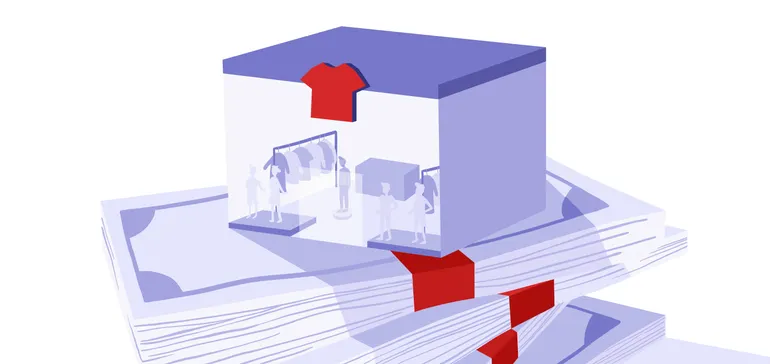
Despite frequent retail bankruptcies, lenders remain keen to provide asset-based lending (ABL). This financing method, secured by inventory valuations, offers lenders a nearly risk-free investment channel but may trap struggling retailers in a vicious cycle of 'borrowing new to repay old.' Using cases such as Barneys, Bob's, and Forever 21, this article reveals the double-edged sword effect of ABL.
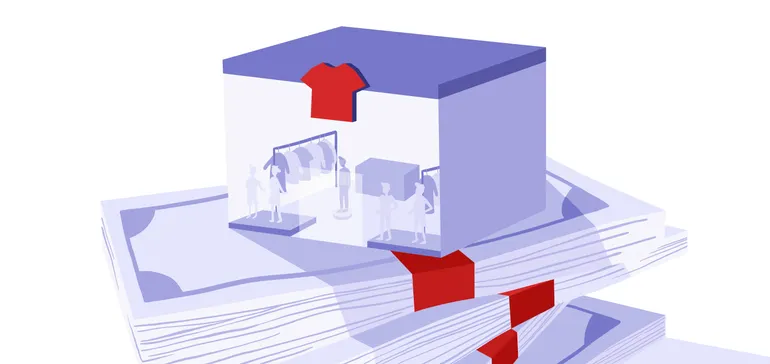
Asset-based loans (ABLs) have become a mainstream financing tool for retailers, providing flexible working capital and funding turnarounds. However, for distressed retailers, ABLs can create perverse incentives to keep buying inventory to maintain borrowing capacity, potentially leading to deeper financial trouble and harming suppliers. While lenders are protected by collateral, the aggressive competition in the ABL market may be eroding underwriting standards, raising concerns about future risks.