


Deep Dive
来自我们记者的行业洞察
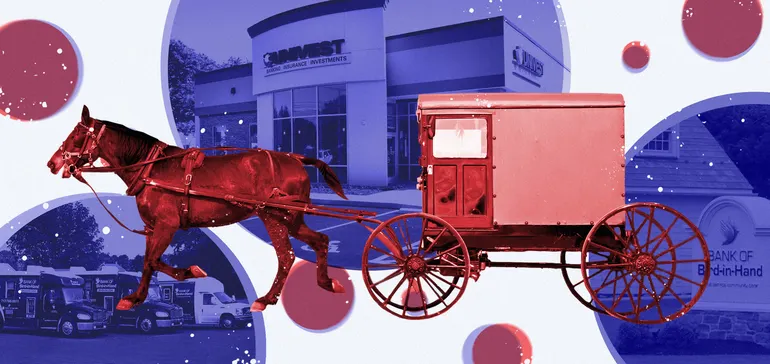
In Lancaster County, Pennsylvania, several banks are serving the largest Amish community in the United States in unique ways. From investing $1 million to build a fleet of mobile bank vehicles, to using Amish directories for customer identity verification, to designing exclusive loan products for homes without electricity, these practices not only meet the financial needs of the Amish people but also reveal the differentiated survival strategies of community banks amid the wave of digitalization.
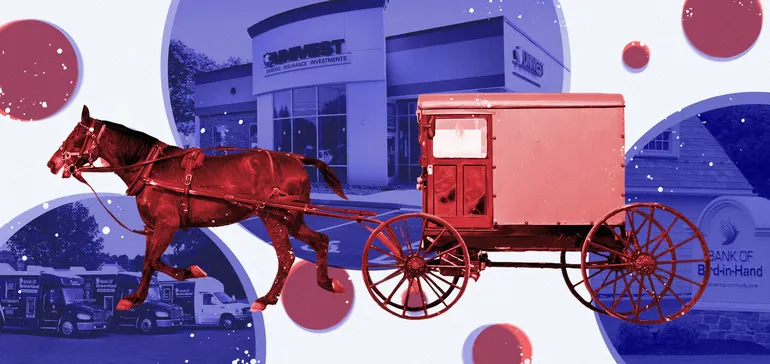
In Lancaster County, Pennsylvania, banks are adapting to serve the largest Amish settlement in the U.S. Bank of Bird-in-Hand operates mobile banking buses to bring services directly to Amish communities, while other lenders like Univest and M&T Bank use Amish directories and bishop letters for identification. The Amish, who largely avoid modern technology, present a unique market with strong credit quality and community backstops. Despite regulatory hurdles, these banks find relationship banking with the Amish rewarding and sustainable.

The buy now, pay later (BNPL) market experienced explosive growth during the pandemic, with U.S. transaction volumes reaching $20-25 billion in 2020, and global e-commerce installment payments are expected to reach $680 billion by 2025. Although banks have advantages in funding costs and customer relationships, they need to address technological shortcomings and changing preferences among younger consumers. Tech companies like Amount offer white-label solutions, while Citi and JPMorgan have launched similar installment products, and Affirm's debit card poses a direct challenge to the banking industry.

The buy-now-pay-later (BNPL) space has seen explosive growth, with fintechs like Klarna, Afterpay, and Affirm leading the charge. BNPL transactions in the U.S. reached $20-25 billion last year and are projected to grow significantly. Banks are now entering the space, with some partnering with fintechs like Amount to offer white-label BNPL services, while others have launched their own installment products. Banks' existing merchant relationships and lower cost of capital could give them an edge, but they face challenges from agile fintechs and changing consumer behavior, particularly among younger consumers wary of credit card debt.
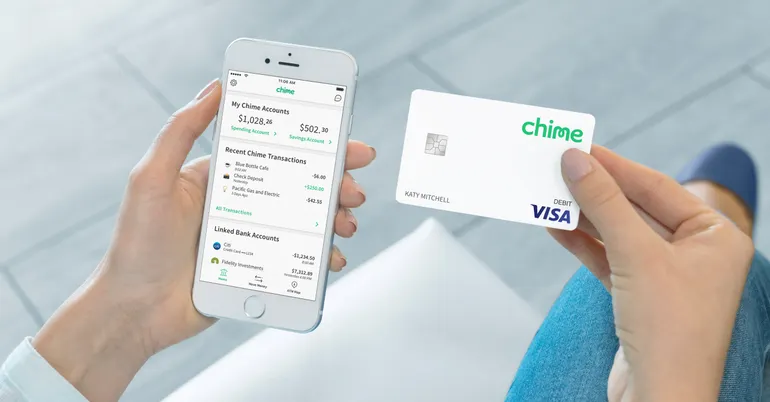
Challenger banks achieved growth in both users and funding in 2020, but their business models rely on interchange fees, facing risks of valuation corrections in 2021. Industry experts predict that product diversification, subscription models, and niche markets will become new directions.
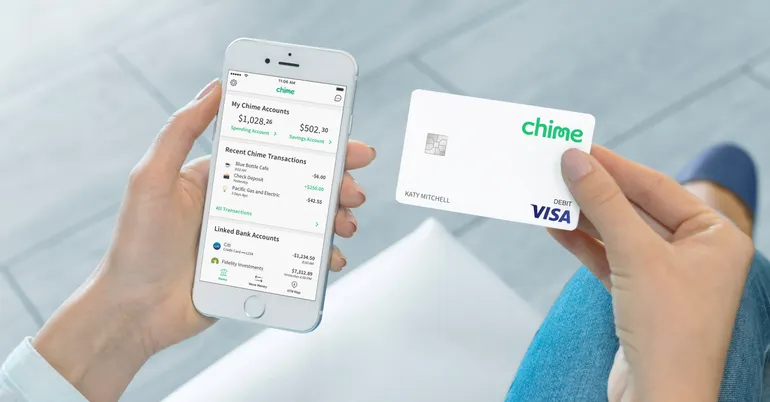
Challenger banks have grown rapidly by filling unmet needs, but their reliance on interchange fees and venture capital raises questions about sustainability in 2021. Some have already shut down, and analysts expect inflated valuations to correct. To survive, challengers are expanding product offerings, testing subscription models, and targeting niche segments such as immigrants and the LGBTQ+ community.
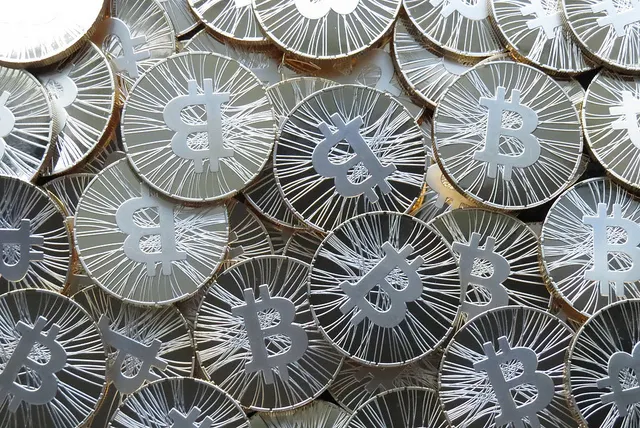
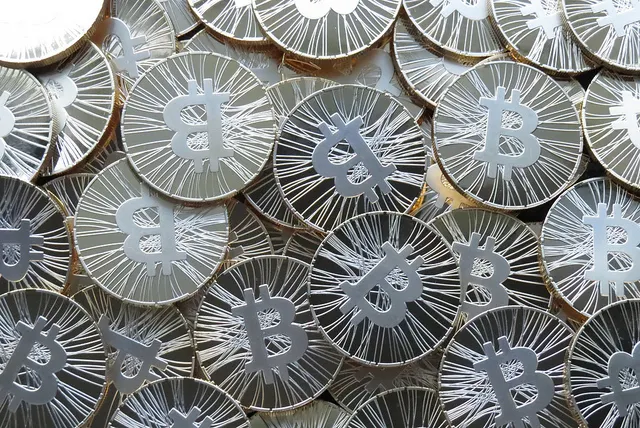
In 2021, banking trends rooted in 2020 will evolve: crypto faces a pivotal year as regulators and institutions weigh in; banks pursue niche acquisitions and sell-offs; ESG efforts shift from climate to racial equality with a focus on accountability; and digital acceleration continues as banks invest in fintech to stay competitive.
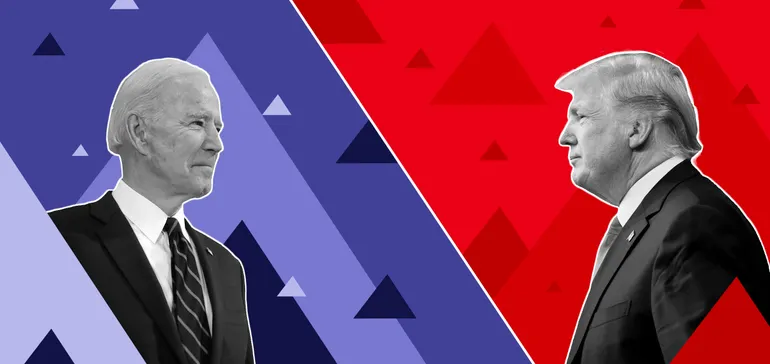
As the 2020 presidential election approaches, financial policy has not become a focal point of debate, but the tax positions, regulatory attitudes, and personnel arrangements of the two party candidates will profoundly impact the banking industry. This article synthesizes expert opinions to analyze possible changes in the banking industry under Biden's or Trump's administration.
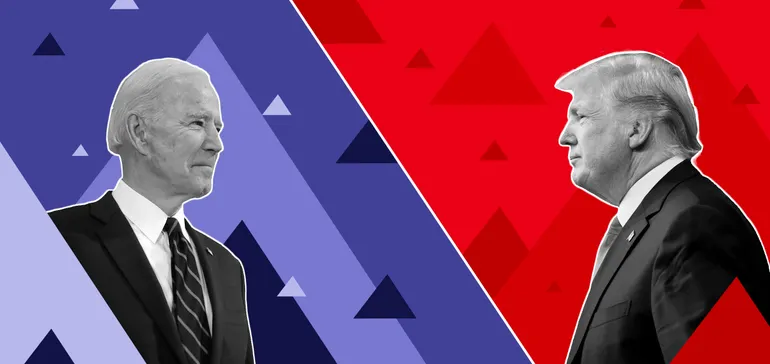
With the presidential election looming, financial policy has been largely absent from the debate stage. However, the divergent stances of former Vice President Joe Biden and President Donald Trump on key issues could shape the banking industry over the next four years. Banking Dive spoke with academics, consultants, and legal experts to analyze the potential changes. A Biden administration would likely raise the corporate tax rate to 28%, potentially costing the 10 largest banks $7 billion annually, while a second Trump term would preserve the 2017 tax cuts. Postal banking, which Democrats have revived, is seen as more likely under Biden, though experts suggest it may be folded into broader postal reform. The Consumer Financial Protection Bureau (CFPB), which has eased enforcement under Trump, would likely become more aggressive under Biden, with a new director possible. Cannabis banking legislation, such as the SAFE Banking Act, could gain traction under Biden but is unlikely under Trump. Cabinet appointments also loom: Biden may tap Sen. Elizabeth Warren for Treasury, while Fed Chairman Jerome Powell might stay. The OCC's Brian Brooks could be replaced, but FDIC Chairman Jelena McWilliams may remain. Overall, the election's outcome will have profound implications for banking regulation and policy.