


Deep Dive
来自我们记者的行业洞察

The banking sector is preparing for a rise in mergers and acquisitions in 2025, with President Trump's return expected to ease regulations. The Capital One-Discover $35.3 billion deal serves as an early indicator, as federal approval remains pending. Analysts predict more deals across all bank sizes, fueled by growth objectives, tech acquisition, and geographic expansion. Regulatory thresholds, deal timelines, and de novo activity are key factors, alongside AI, crypto, and fintech partnerships. Risks include commercial real estate exposure and geopolitical uncertainties.
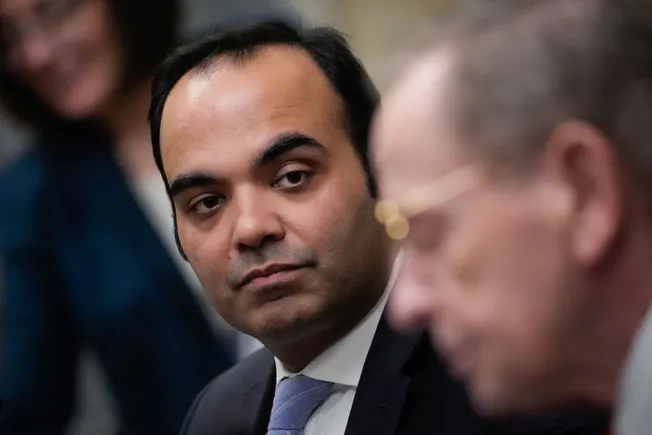
President Trump's first week back in office saw CFPB Director Rohit Chopra and OCC acting chief Michael Hsu remain in their posts, defying expectations of immediate ouster. Chopra, whose term runs through October 2026, has reportedly cleared his office but insists he is still working. The delay may be due to their roles on the FDIC board, where political balance rules apply. Meanwhile, discussions about dismantling the FDIC or merging the SEC and CFTC persist, though experts warn of consequences. The FDIC, under Acting Chair Travis Hill, has outlined extensive priorities, signaling it is prepared to move forward. Regulatory changes, however, will take time due to procedural requirements.
PayPal CEO Alex Chriss is steering the company beyond its payments legacy, aiming to turn it into a commerce platform that connects merchants and consumers. Since taking the helm in September 2023, Chriss has overhauled management, launched new services like Fastlane, and tapped into consumer data to offer personalized shopping experiences. Despite competition from Apple, Google, Stripe, and Klarna, PayPal's recent financial results show growth, with net income up 6.4% and shares climbing 46% since July. Chriss's strategy includes divesting non-core assets and streamlining operations to focus on its core branded business, Braintree, and Venmo.
PayPal CEO Alex Chriss believes the payments business has become a red ocean and is leading the company toward a commerce platform transformation, leveraging massive account data to connect merchants and consumers, launching services such as Fastlane, and gaining recognition from analysts.
As regulatory approval timelines for bank M&A stretch out, banks are taking proactive steps to smooth the path to a deal. Investment bankers and attorneys report four key strategies: raising capital alongside a deal, committing to specific capital ratio requirements, exploring charter changes to find a more amenable regulator, and engaging regulators earlier in the process. These moves aim to address regulators' heightened concerns about capital levels, commercial real estate exposure, and interest rate effects following last year's regional bank failures. Recent deals like UMB-Heartland, SouthState-Independent Bank, and Wintrust-Macatawa illustrate the renewed activity, while transactions such as Provident-Lakeland and FirstSun-HomeStreet show how capital raises and charter changes are being used to secure approval.

A year after SVB's failure, the banking landscape has seen both improvements and persistent issues. This article reviews six key areas: upcoming liquidity regulations, discount window access, commercial real estate exposure, the growing 'problem bank' list, rising Deposit Insurance Fund costs, and inconsistent regulation. While some progress has been made, challenges remain, as highlighted by recent events like NYCB's troubles and ongoing concerns about CRE and regulatory fragmentation.
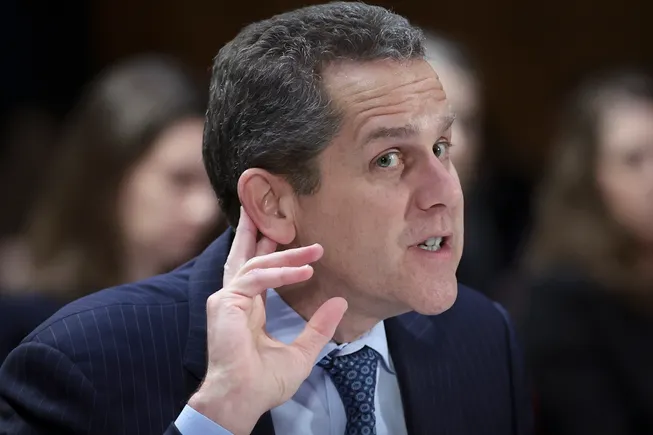
The deadline for public comment on the Federal Reserve-led revamp of capital requirements has passed, but the proposal—which would force the largest U.S. banks to hold roughly 19% more capital—remains highly contentious. Critics include Fed governors Christopher Waller and Michelle Bowman, who dissented, and a broad coalition of banking groups, academics, and lawmakers who argue the rule lacks justification and could harm lending and competitiveness. JPMorgan Chase and the Bank Policy Institute have raised the possibility of litigation, while community advocates warn of negative impacts on minority homeownership. The proposal's fate remains uncertain, with some suggesting a re-proposal may be necessary.
In a Tuesday speech, Fed Vice Chair for Supervision Michael Barr suggested the Bank Term Funding Program, set to expire March 11, will likely not be extended despite record borrowing. He also announced that the Fed will seek public comment on data related to its controversial July capital-requirements proposal, an unusual step for rulemaking. The proposal has faced criticism from lawmakers, trade groups, and even within the Fed, with Governors Bowman and Waller dissenting and Chair Powell attaching reservations.
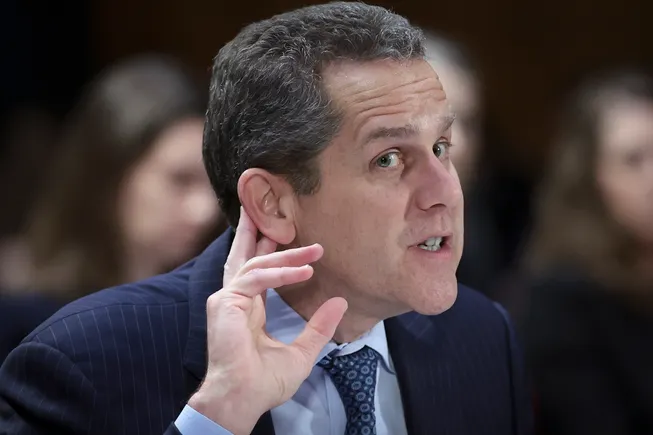
Federal Reserve Vice Chair for Supervision Michael Barr hinted on Tuesday that the Bank Term Funding Program may not be extended, while regulators are seeking public comment on data regarding the impact of new capital rules.

Women entrepreneurs have historically faced hurdles securing business loans, often being asked for a male cosigner. A new crop of women-owned de novo banks—including First Women's Bank, Agility Bank, and Fortuna Bank—is emerging to address this gap. Leaders from these institutions and the Association of Women's Business Centers discuss the challenges women face, the impact of the pandemic, and why serving women-owned businesses makes good business sense.