


Fintech
JPMorgan Chase has been building a network of payments partners over the past three years, now totaling about 120 companies, to help the bank integrate with clients' software and monitor industry trends. Todd Manning, who joined JPMorgan this year as managing director and head of corporate development and partnerships for the bank's payments arm, said the network, formed in 2023, includes partners such as Visa, Ingenico and Epic Systems. The bank has about 30 people focused on new partnership origination, venture investments and M&A opportunities. JPMorgan typically makes non-controlling investments of under 5% equity ownership in less than one-third of its partners, and while acquisitions are possible, they are not frequent.

AI agents and IoT devices expand the attack surface in banking, making fragmented security unsustainable. The article argues for fusing security into the network to provide visibility, action control, and continuous compliance, turning infrastructure into a competitive advantage.
Online banks and fintechs are winning over younger consumers, achieving the highest rates of checking account customer satisfaction among both millennials and Gen Z, according to a JD Power survey of more than 23,000 U.S. adults. Among millennials, the average overall satisfaction score for online banks and fintechs is 699 on a 1,000-point scale, versus 672 for national banks. For Gen Z, online banks and fintechs score 701, outpacing national and retail banks. These institutions account for 20% of existing primary checking relationships among millennials and Gen Z, but 28% of newly opened accounts, indicating growth. High satisfaction is driven by fee fairness, real-time account visibility, and proactive communication. American Express, SoFi, and Chime rank highest among millennials, while OnePay and SoFi rank highest among Gen Z.
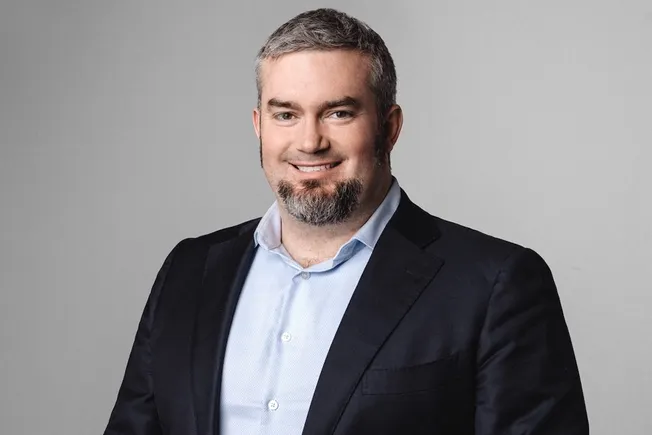
Anchorage Digital announced Tuesday it has acquired payout platform Routable; terms were not disclosed. The deal pairs Anchorage's regulated infrastructure for stablecoin issuance, custody and settlement with Routable's payout distribution layer, which connects clients' ERP systems to money-movement rails. Routable, backed early by OpenAI CEO Sam Altman, offers payee onboarding and verification, tax and compliance automation, and high-volume payouts via a developer-first API. Anchorage CEO Nathan McCauley said the company anticipated demand from Big Tech and Fortune 500 firms, while Routable CEO Omri Mor said clients gain a regulated bridge into digital assets. Routable will be branded 'Routable by Anchorage Digital,' with native stablecoin and tokenized deposit settlement embedded. Anchorage, which gained a national trust charter from the OCC in 2021 and completed a three-year consent order, sees stablecoins becoming core financial plumbing. Integrated offerings are planned over coming quarters.
Modern Treasury, a San Francisco-based payments infrastructure firm, and Rain, a New York City-based stablecoin infrastructure platform, applied on Monday for national trust charters from the Office of the Comptroller of the Currency. If approved, the charters would allow both firms to offer asset custody and related services, though neither would accept deposits or make loans. Modern Treasury plans a unified custody solution for fiat and digital assets, while Rain intends to issue stablecoins under the GENIUS Act and hold reserves for other issuers. These are the first trust charter applications since the Independent Community Bankers of America sued the OCC over its approval of such charters for cryptocurrency firms. Rain's proposed CEO is Brandon Soto, former CFO of Coastal Financial Corp. and Square Financial Services; Modern Treasury has not yet named its proposed bank CEO.

Banking conferences in 2027 will offer leaders a chance to gauge the industry's direction amid anticipated changes such as increased M&A and tailored regulation, while areas like cryptocurrency frameworks remain uncertain. Events like Acquire or Be Acquired, ABA Conference for Community Bankers, Fintech Meetup, ICBA Live, ABA Washington Summit, CBA Live, The Financial Brand Forum, National Credit Union CEO Roundtable, and ABA Risk and Compliance Conference provide opportunities to connect with peers, explore emerging technologies like AI, and navigate evolving compliance expectations.

Fiserv had planned to launch its FIUSD stablecoin by the end of 2025, but now says timing is uncertain. The payments processor has instead launched a digital-asset platform, initially hosting Bank of North Dakota's Roughrider stablecoin. Sunil Sachdev, head of embedded finance, explains the pivot: Fiserv moved away from partners Paxos and Circle to build a proprietary coin, influenced by the Roughrider project and the acquisition of StoneCastle. The company remains committed to FIUSD, citing its vast network of over 300 million bank accounts and 5-6 million merchants as key advantages. Other factors include a CEO transition and pressure from activist shareholder Jana Partners. Fiserv is also part of the Open USD stablecoin effort and is working with Fireblocks and Solana for its platform.
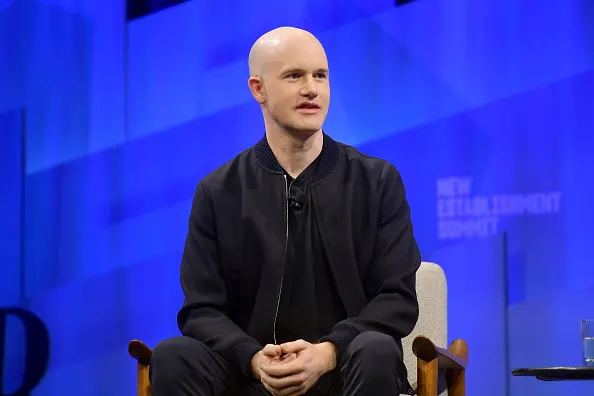
Coinbase's chief accounting officer, Jennifer Jones, is retiring, according to a Friday securities filing. The New York-based crypto exchange has begun a search for her successor, and Jones will remain in the chief and principal accounting roles until they are transitioned. Her departure is the latest leadership change since CEO Brian Armstrong announced a 14% workforce reduction in May, tied to an AI-native strategy. Since then, the company has announced changes in at least two other top executive posts. Coinbase's stock has fallen about 17% so far this year. Jones, who has been chief accounting officer since July 2018, did not immediately respond to a request for comment on why she is leaving.

Latitude Global, a startup founded by former Stripe and Zerohash executives, is using stablecoin rails to provide faster and cheaper cross-border payments. CEO Cyril Mathew says the company settles payments in less than two minutes and creates fiat on- and off-ramps for neobanks. Latitude currently reaches about 50 countries and plans to expand to 200, focusing on Southeast Asia and Africa. The company has raised $43 million and is regulated in 45 U.S. states. Mathew discusses the role of stablecoins, the need for consolidation in the market, and how pricing may evolve.
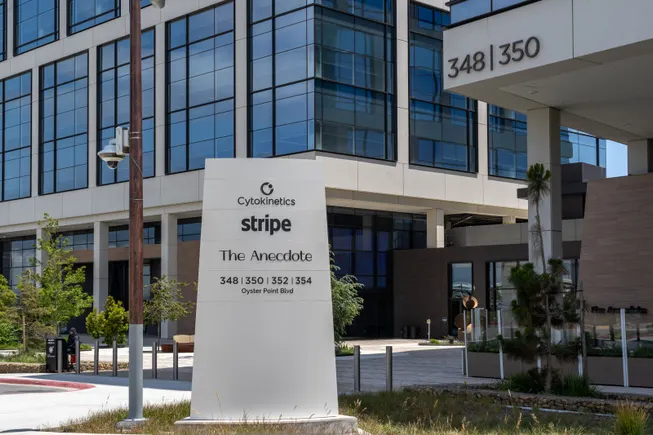
Stripe announced it will acquire Parafin, an embedded financing startup valued at $750 million as of late 2024, to strengthen support for small businesses. Parafin integrates credit offerings through software vendors like Gusto, SpotOn, and DoorDash, and has extended $3 billion in credit to about 60,000 businesses in the U.S. and Canada. The deal, for undisclosed financial terms, is expected to close in coming months. Stripe, which serves about 18,000 digital service providers, sees the acquisition as a revenue opportunity and a way to bring more credit to small businesses. Parafin founders Sahill Poddar and Vineet Goel said operations will continue unaffected after the merger.