


Regulations & Policy
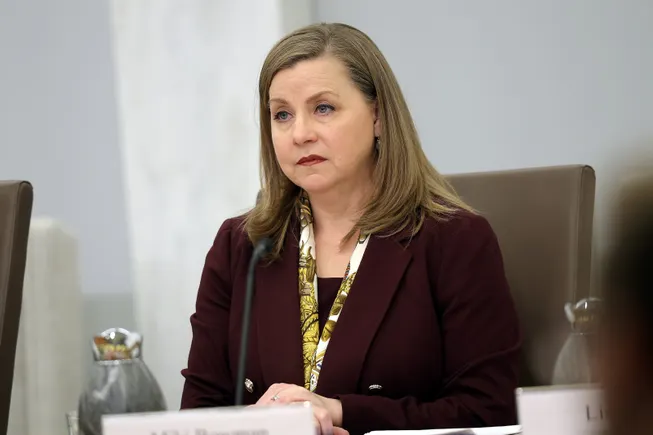
Better Markets filed a lawsuit against the Federal Reserve Board and Vice Chair for Supervision Michelle Bowman, accusing them of turning the capital-requirements rulemaking into a 'charade' through secret meetings with bank CEOs. The suit alleges Bowman coached bank executives on how to shape their public comments to favor a predetermined outcome. Better Markets seeks to invalidate the rulemaking and require Bowman's recusal. The Fed and Bowman have 60 days to respond.

The Government Accountability Office (GAO) reported this week that no financial institution has been punished by federal regulators for serving cannabis-related businesses, and found no indication of civil or criminal penalties. Based on interviews with 74 financial institutions and 51 cannabis businesses, the GAO found that perceived regulatory uncertainty, operational costs, and compliance burdens still lead most banks to avoid the sector. About 1,000 banks and credit unions filed cannabis-related suspicious activity reports in 2024, roughly 11% of insured depository institutions, but not all serve cannabis companies as ongoing customers. Cannabis businesses face account closures, high fees—some paying upward of $100,000 annually—and lending challenges. The report follows requests from Sens. Warnock, Warren, Smith, and Fetterman. Options to increase banking access include descheduling, rescheduling to Schedule III, or safe harbor protections, but no single solution exists.
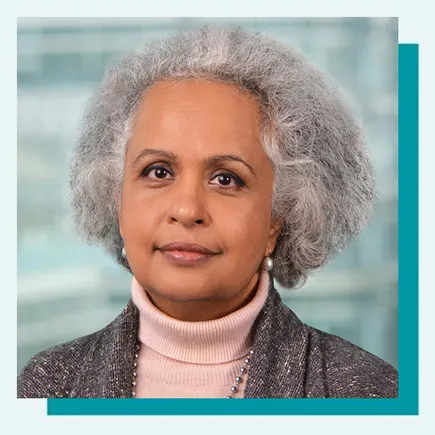
HSBC announced that CFO Pam Kaur will step down next year before the bank's annual general meeting and will not seek re-election to the board. After leaving the CFO role, Kaur will advise CEO Georges Elhedery on ongoing strategic projects through the end of 2028. Kaur, the first woman to serve as finance chief for the $3.4 trillion-asset bank, said 2027 feels like the right time to pursue new leadership opportunities. Analyst Edward Firth of Keefe, Bruyette & Woods called her pending exit 'a bit of a surprise' but praised her support of Elhedery's restructuring, noting HSBC's stock has risen 125% since she became CFO at the start of 2025. HSBC has begun an internal and external search for her successor. Kaur will continue to receive her salary, cash allowance in lieu of pension, and benefits through Sept. 9, 2027, and will be eligible for annual incentive awards for 2026 and 2027.
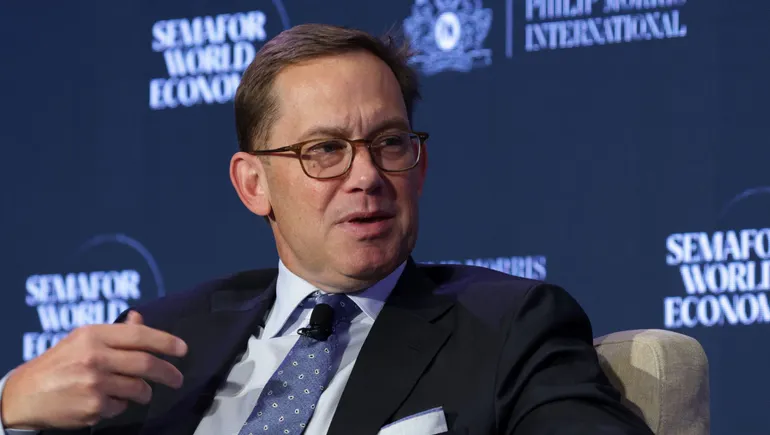
Chime CEO Chris Britt said Wednesday that becoming a bank will enhance customer trust and allow faster product innovation. The San Francisco-based fintech announced Tuesday it seeks to acquire one of its bank partners, Stride Bank, for $590 million in cash. Britt, speaking at a Goldman Sachs investor conference, called the move 'an inevitability' to achieve leadership in banking and cited the current regulatory climate and the need for full control over product delivery in the age of AI. He noted that working with bank partners involved redundant steps and friction points that slowed launches. Acquiring $5.4 billion-asset Stride will let Chime hold consumer deposits and fund loans directly, removing a step from the process. Britt also said the charter will foster trust with customers wary of banking through a fintech and open geographic expansion for lending products. The deal comes as regulators show openness to fintech bank acquisitions and charter applications.
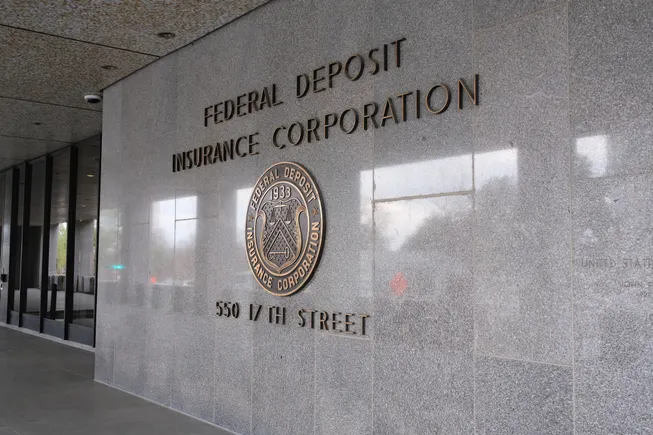
Mercury received conditional approval for deposit insurance from the Federal Deposit Insurance Corp. on Tuesday, more than 260 days after submitting its application. Mercury Bank N.A., based in Salt Lake City, must provide $300 million in initial paid-in capital and submit background information for proposed senior executive officers, among other conditions. Founder Immad Akhund said the vision is to become a tech company with an actual bank. Mercury Bank is projected to open next year, pending Federal Reserve approval of its bank holding company application. The Office of the Comptroller of the Currency gave conditional charter approval in April. Mercury appointed Jon Auxier as CEO of the proposed bank. The FDIC also recently approved VALT Bank. OCC Comptroller Jonathan Gould and FDIC Chair Travis Hill have expressed support for de novo bank formation.

Block, the parent company of Cash App and Square, has applied to the Office of the Comptroller of the Currency to establish Builders Bank & Trust, a national trust bank that would provide custody and related fiduciary services, including for bitcoin and stablecoins. The bank would be uninsured and would not take deposits or make loans. Lee Woolley, Block's digital asset strategy lead and former CEO of Treasury Department Federal Credit Union, would serve as president and CEO. The charter would give Block a federal supervisory framework for certain custody activities. Block's Square business previously obtained an industrial loan company charter from Utah in 2020 and established Square Financial Services in 2021. The move follows other fintechs seeking bank charters, including Revolut's recent conditional OCC approval, and comes after President Trump's executive order to streamline charter applications.
The Federal Reserve, the Office of the Comptroller of the Currency, the Federal Deposit Insurance Corporation, the National Credit Union Administration, and the Financial Crimes Enforcement Network issued a joint statement on Wednesday clarifying that financial institutions, when investigating fraud, may communicate with customers about suspicious transactions without disclosing the existence of suspicious activity reports (SARs), and may inform them of account restrictions or closures, or denial of deposits. The statement responded to concerns raised by industry feedback in June 2025 but did not change the legal provisions of the Bank Secrecy Act regarding SAR confidentiality.
Republican lawmakers on the U.S. House Financial Services Committee introduced a bill on Tuesday aimed at changing the existing funding structure of the Consumer Financial Protection Bureau (CFPB), shifting its funding source from the Federal Reserve to the congressional annual appropriations process. The bill is led by Republican Representative Andy Barr and co-sponsored by 29 Republicans, including Committee Chairman French Hill. The bill also proposes to tighten CFPB's enforcement standards for unfair, deceptive, or abusive acts or practices (UDAAP), require cost-benefit analysis for rulemaking, and establish a dedicated CFPB inspector general.

BitGo announced on Thursday the completion of its acquisition of NYDIG's institutional trading business, which includes related assets and the transfer of approximately 30 employees. This move aims to meet institutional clients' demand for a one-stop digital asset infrastructure and strengthen BitGo's service capabilities in custody, trading, financing, and settlement. NYDIG, in turn, will shift its strategic focus to Bitcoin mining and high-performance computing data center operations. The transaction amount has not been made public.