


Regulations & Policy

Banking conferences in 2027 will offer leaders a chance to gauge the industry's direction amid anticipated changes such as increased M&A and tailored regulation, while areas like cryptocurrency frameworks remain uncertain. Events like Acquire or Be Acquired, ABA Conference for Community Bankers, Fintech Meetup, ICBA Live, ABA Washington Summit, CBA Live, The Financial Brand Forum, National Credit Union CEO Roundtable, and ABA Risk and Compliance Conference provide opportunities to connect with peers, explore emerging technologies like AI, and navigate evolving compliance expectations.
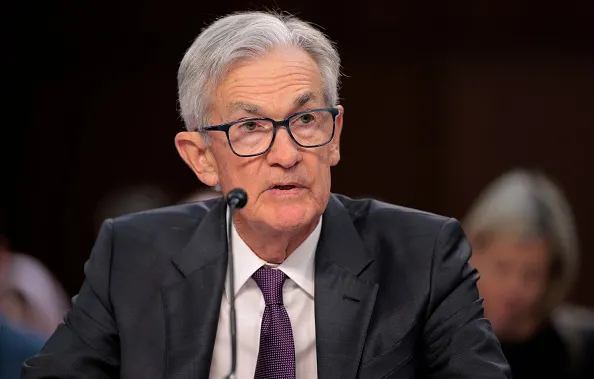
The Department of Justice has confirmed it will not reopen its criminal probe into former Federal Reserve Chair Jerome Powell regarding the Fed's multi-billion-dollar renovation. Attorney General Todd Blanche told Bloomberg that while the inspector general found mismanagement, there was no criminal conduct. The investigation was opened in January but dropped in April after a federal judge criticized the subpoenas as harassment. President Trump demanded Powell's resignation, while Fed Chair Kevin Warsh outlined plans for independent auditing and improved oversight.
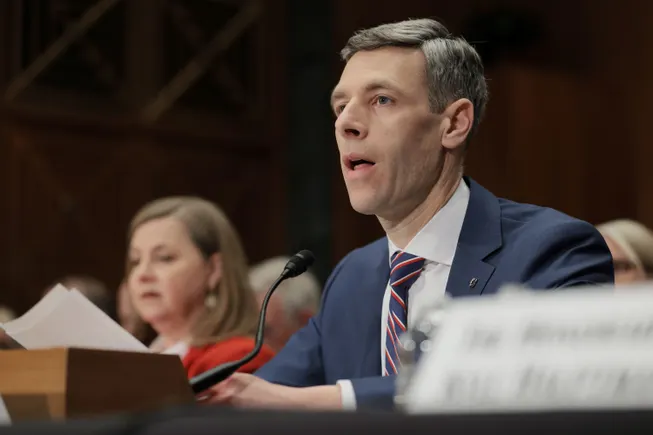
The Independent Community Bankers of America filed a lawsuit against the Office of the Comptroller of the Currency and Comptroller Jonathan Gould in federal court, alleging the agency exceeded its statutory authority by approving national trust bank charters, particularly for cryptocurrency companies. The suit asks the court to invalidate an OCC rule and an interpretive letter underpinning the approvals and to rescind the charter granted to Protego Holdings. ICBA argues these charters allow crypto firms to enter banking with lighter regulation, disadvantaging community banks. The OCC declined to comment. The lawsuit highlights tensions over the OCC's approach to crypto under the Trump administration.
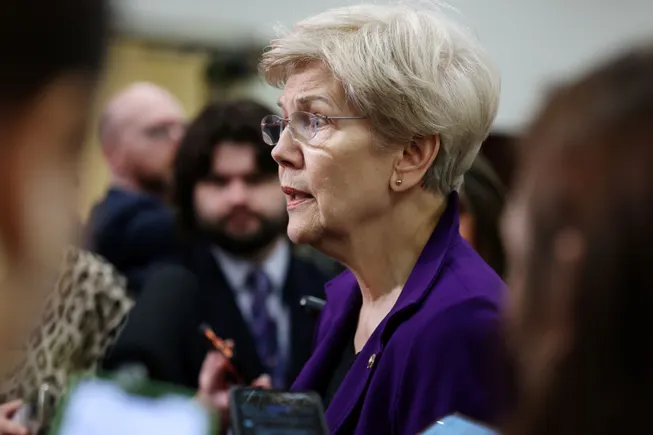
Two U.S. senators, Elizabeth Warren and Chris Van Hollen, sent a letter Wednesday calling on nonbank lender OppFi to withdraw its application to acquire Arizona-based bank holding company BNCCORP and its subsidiary BNC National Bank. The lawmakers allege OppFi's business model relies on predatory lending, including personal installment loans with APRs up to 195%, and cite high charge-off rates and aggressive refinancing tactics. They point to Enova's recent decision to terminate its bid for Grasshopper Bank as a precedent. OppFi pushed back, saying its bank charter application is being politicized and that its business model is compliant and would be subject to rigorous federal oversight. The letter follows opposition from 20 state attorneys general in July.
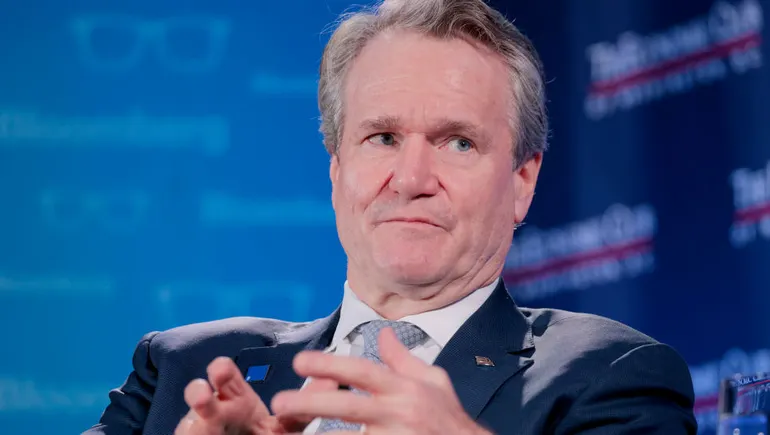
Bank of America announced it will hire 1,000 additional apprentices over two years and commit $150 million to workforce development by 2031, emphasizing skills-based hiring. Barclays, facing union opposition, extended the implementation period for its three-day office attendance requirement to 2027, though it still encourages compliance. Both moves reflect a populist turn amid a softening employer market and the need to cultivate talent in an AI-driven industry.
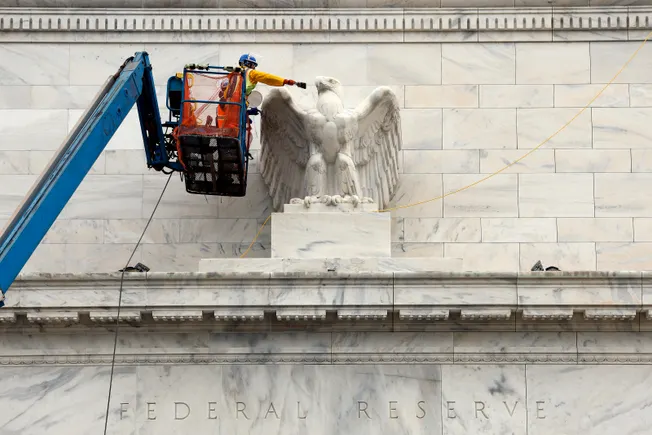
The Office of the Inspector General released a report Wednesday finding that the Federal Reserve Board mismanaged the multibillion-dollar renovation of one of its building complexes but did not violate criminal law. The report said there were no reasonable grounds to believe a federal criminal law violation occurred requiring referral to the U.S. Attorney General, and no administrative misconduct was identified. President Donald Trump criticized the findings, blaming Jerome Powell for cost overruns and demanding his resignation. The renovation costs ballooned from $1.3 billion in 2020 to over $2 billion by 2024, with the project originally slated for completion in mid-2024 but now expected to end in December 2027. The OIG made several recommendations, including negotiating a guaranteed maximum price. Sen. Elizabeth Warren called for swift implementation of the recommendations and for Congress to improve transparency and accountability at the Fed.
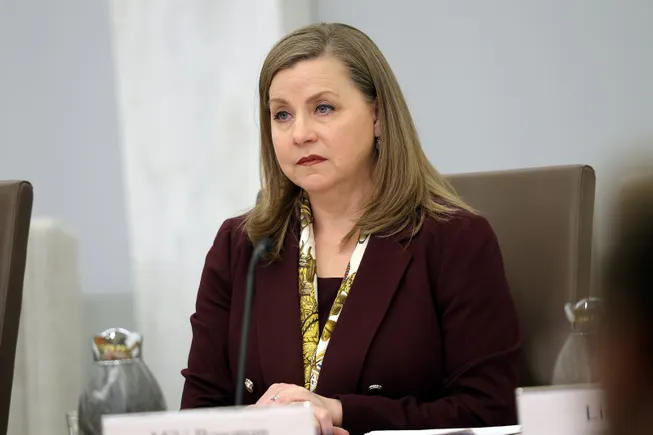
The Federal Reserve on Wednesday finalized two rules aimed at increasing transparency and public accountability in bank stress testing and reducing volatility in capital requirements. One rule requires public comment on annual stress test scenarios and material model changes, and tests banks against two global market shock components, using the larger loss. The other rule, effective in 2028, calculates the stress capital buffer using the average of the last two annual tests. The Fed also requested comment on a revision to its noninterest income model. Fed Vice Chair for Supervision Michelle Bowman said the changes preserve the stress test's resilience, but Governor Michael Barr dissented, arguing they will reduce rigor and credibility. Trade groups welcomed the changes, while Better Markets criticized them as making the process hollow. The updated framework takes effect Dec. 31.
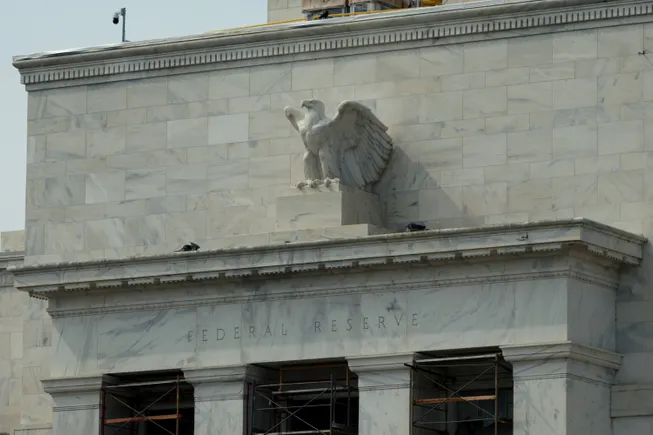
The Federal Reserve's Office of Inspector General (OIG) issued a management alert highlighting information security risks and control deficiencies at the central bank board. The alert stems from a 2024 incident in which a departing Division of International Finance employee potentially removed classified Federal Open Market Committee (FOMC) information. The OIG learned of the incident in July 2025, a year after the employee retired. The report notes prior incidents involving the same employee in 2021 and 2023, including copying files to an unencrypted USB device and attempting to send classified information to a personal email account. The OIG found a collective lack of action across multiple divisions, unclear governance and enforcement of information security controls, and insufficient escalation. The Fed board concurred with the OIG's recommendations and plans to implement process improvements, including a new data loss prevention solution, by 2027.
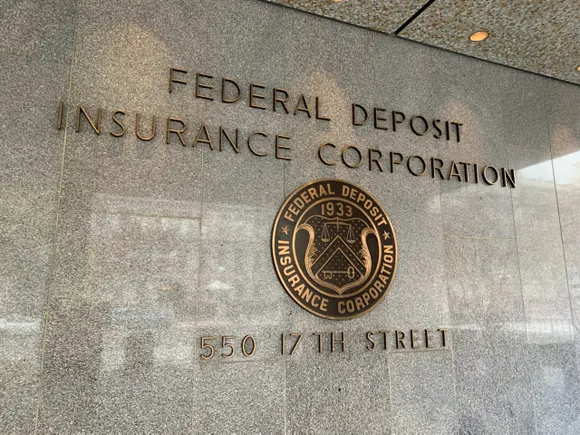
Irvine, California-based Nano Banc failed Friday, becoming the sixth U.S. bank to collapse in 2026, the most in any year this decade. The California Department of Financial Protection and Innovation cited deteriorating financial condition, executive mismanagement, and regulatory violations. Sunwest Bank agreed to assume most of Nano's assets and deposits in a deal with the FDIC. Nano's single branch reopens Monday as a Sunwest location. The FDIC estimates the failure will cost the Deposit Insurance Fund about $114 million.

The Federal Deposit Insurance Corp. issued a prompt corrective action directive to Old Glory Bank for being 'significantly undercapitalized,' with a leverage ratio of 2.69% as of June 30. The bank must submit a capital restoration plan within two weeks and is restricted from accepting brokered deposits, paying management fees, and other activities without regulatory approval. Old Glory, which lost about $8 million in the first half of the year, is seeking to raise capital after its planned merger with a SPAC fell through when the Federal Reserve did not approve the transaction.