


Payments

Fiserv had planned to launch its FIUSD stablecoin by the end of 2025, but now says timing is uncertain. The payments processor has instead launched a digital-asset platform, initially hosting Bank of North Dakota's Roughrider stablecoin. Sunil Sachdev, head of embedded finance, explains the pivot: Fiserv moved away from partners Paxos and Circle to build a proprietary coin, influenced by the Roughrider project and the acquisition of StoneCastle. The company remains committed to FIUSD, citing its vast network of over 300 million bank accounts and 5-6 million merchants as key advantages. Other factors include a CEO transition and pressure from activist shareholder Jana Partners. Fiserv is also part of the Open USD stablecoin effort and is working with Fireblocks and Solana for its platform.

Latitude Global, a startup founded by former Stripe and Zerohash executives, is using stablecoin rails to provide faster and cheaper cross-border payments. CEO Cyril Mathew says the company settles payments in less than two minutes and creates fiat on- and off-ramps for neobanks. Latitude currently reaches about 50 countries and plans to expand to 200, focusing on Southeast Asia and Africa. The company has raised $43 million and is regulated in 45 U.S. states. Mathew discusses the role of stablecoins, the need for consolidation in the market, and how pricing may evolve.
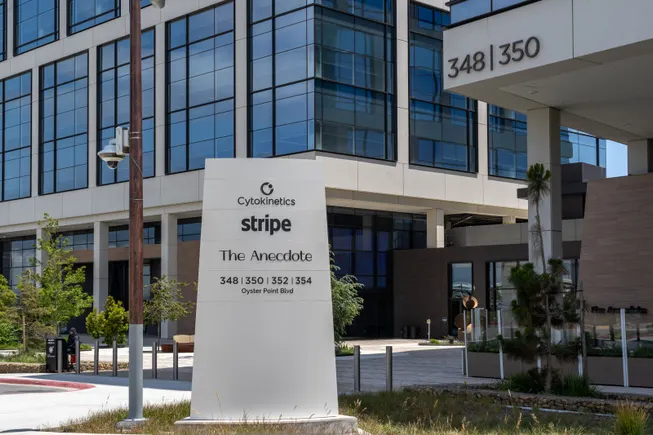
Stripe announced it will acquire Parafin, an embedded financing startup valued at $750 million as of late 2024, to strengthen support for small businesses. Parafin integrates credit offerings through software vendors like Gusto, SpotOn, and DoorDash, and has extended $3 billion in credit to about 60,000 businesses in the U.S. and Canada. The deal, for undisclosed financial terms, is expected to close in coming months. Stripe, which serves about 18,000 digital service providers, sees the acquisition as a revenue opportunity and a way to bring more credit to small businesses. Parafin founders Sahill Poddar and Vineet Goel said operations will continue unaffected after the merger.

Fiserv has launched its stablecoin system, debuting with the Roughrider Coin backed by the Bank of North Dakota. The platform, developed with VersaBank, Fireblocks, and Solana, aims to enable efficient money movement for roughly 90 financial institutions. The launch comes as Fiserv faces pressure from activist investor Jana Partners and questions about its own FIUSD stablecoin.
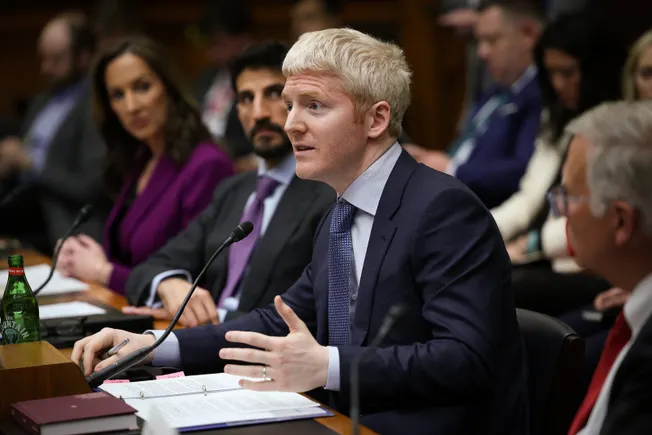
Former Stripe employees have left the digital payments processor to launch fintech startups, contributing to the sector's expansion. Stripe's culture of curiosity and technical leadership has fostered entrepreneurship, with alumni founding companies like Circuit & Chisel, Increase, Latitude Global, Lemma Technologies, and New Generation. These startups are entering an economy influenced by AI and cryptocurrency investments, potentially reviving investor interest in fintech. Stripe, valued at $159 billion, processes 1.6% of global economic output and is the fourth-most valuable venture-backed company.

Moov Financial has launched a peer-to-peer payment system called Moov Money in partnership with Mastercard and Visa. The tool allows users to send and receive money using an eligible debit card and a mobile phone, without requiring both parties to use the same app. Moov CEO Wade Arnold said the service differentiates itself from Cash App, Venmo, and Zelle by integrating into apps users already have through their bank or credit union. Built on Jack Henry's digital platform, Moov Money is available at about 1,000 banks and credit unions and automatically populates recipient card information. The rollout follows years of fundraising, including $5.5 million in seed funding in 2020 and $27 million in venture capital from Bain, Andreessen Horowitz, and Visa, bringing total funding to about $125 million.

Adyen has hired Niclas Neglén, Klarna's outgoing CFO, as its next chief financial officer, effective Feb. 1. Neglén will succeed interim CFO Hwa Tsao, who will become SVP of group finance. The appointment fills a vacancy left by Ethan Tandowsky's departure on Aug. 31. Adyen CEO Pieter van der Does said Neglén's experience aligns with the company's growth journey. Neglén previously served as CFO and COO for EMEA at HSBC's private bank and held senior financial roles at General Electric. Adyen also reaffirmed its financial guidance and noted recent leadership changes and acquisitions.
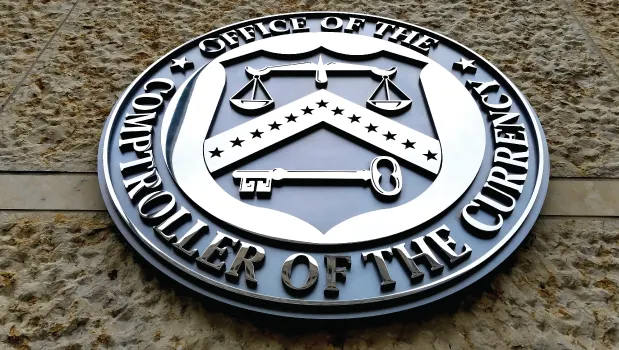
The Office of the Comptroller of the Currency conditionally approved three national trust charters on Friday: de novos Agora National Trust Bank and Catena Trust Bank, and Bastion Platforms Trust Co., which is converting from a state charter. The approvals come with conditions, including minimum tier 1 capital and liquid asset requirements. Bastion white-labels stablecoins, Agora issues AUSD, and Catena Labs is developing financial infrastructure for AI agents. Full approvals depend on satisfying OCC conditions.

The cross-border payments market, once dominated by banks, is becoming highly competitive as fintechs enter through bank partnerships or direct apps. Their goal is to reduce the number of parties involved, cutting fees and speeding transactions. Stablecoins enable direct wallet-to-wallet transfers, bypassing correspondent banking, while blockchain adds transparency. Fintechs also help digitalize paperwork and data sharing. However, banks retain advantages in customer relationships, local currency movement, and regulatory compliance. The question is when fintechs will challenge banks on these fronts.

Nubank, the Brazilian neobank, launched US operations last week through a partner bank model with Kansas City-based Lead Bank, before receiving full approval for a US banking license. The move coincides with the debut of Nu Global, a multicurrency digital account supporting no-fee money movement across more than 35 countries. Nubank received conditional approval from the OCC in January for a national bank, projected for a 2027 rollout. The US launch includes a 3.5% APY account and a Mastercard-partnered credit card with 1.5% cash back. CEO David Vélez cited regulatory delays for accelerating the launch. The article notes cautionary tales of other neobanks and analyst Dylan Lerner's view that Nubank is targeting a window of opportunity in administrative policy.